Why Is It Called Curling? The Meaning Behind the Sport’s Name
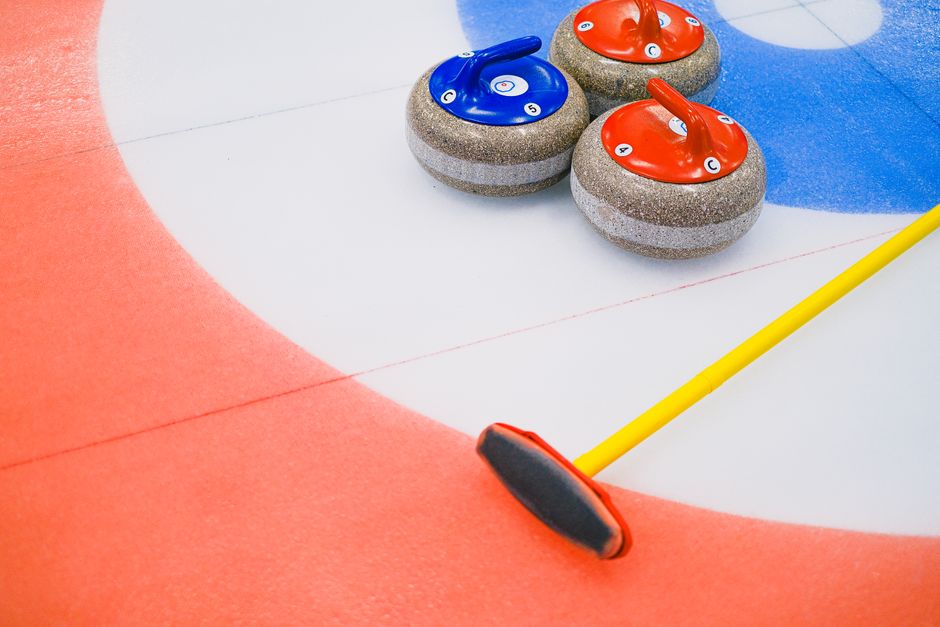
Curling is called curling because the stone can follow a curved path as it travels across the ice. The name comes from the verb “curl,” which describes the stone’s gradual sideways bend rather than the sweeping action performed by players.
Where the name “curling” comes from
The sport developed in Scotland, where early forms of the game were played on frozen lochs and ponds. Written references to curling appear in Scottish records from the 16th century. The word was formed from “curl,” a term describing a turning or bending movement.
That name fits the defining feature of the game: a player releases a heavy stone with rotation, and the stone eventually moves away from a perfectly straight line. The amount and direction of the bend depend on the stone’s rotation, the ice conditions, and how the playing surface is prepared.
The sport was not named after the broom or the sweeping. Sweeping influences how far the stone travels and how much it curls, but the curling movement of the stone is the feature that gave the game its name.
How a curling stone curls on the ice
A curling stone does not usually turn sharply. It glides forward while its path gradually bends to one side. Players create this rotation when releasing the stone, using either a clockwise or counterclockwise turn.
The stone’s contact with the ice is not perfectly uniform. As it rotates, the running surface experiences different frictional effects at its front and back edges. Over the length of the sheet, those small forces produce the visible curve known as the curl.
Ice preparation also matters. Curling sheets are lightly sprinkled with water before play, creating tiny raised droplets called “pebbles.” The pebble pattern reduces friction and gives the stone a consistent surface on which to slide. Changes in temperature, humidity, pebble quality, and wear can all affect how much a stone curls.
Why sweeping is part of curling
Sweepers use brushes in front of the moving stone to reduce friction temporarily. This can help the stone travel farther and can slightly delay or reduce its curl. The skip, who directs the shot from the far end, calls for sweeping based on the stone’s speed and line.
That makes sweeping a crucial tactical skill, but it does not explain the sport’s name. The term “curling” refers to the stone’s movement across the ice, while sweeping is one of the techniques used to control that movement.
Is the stone’s curl always the same?
No. A curling stone’s path can vary from one shot to another. A stronger rotation, a different release, slower or faster ice, and changing conditions along the sheet can all influence the result.
The word “curl” also describes the amount of sideways movement, not necessarily a perfect arc. Experienced players may talk about a stone “curling early” or “curling late” depending on where the bend becomes noticeable during the shot.
Common questions about the name curling
Does curling refer to the players’ sweeping motion?
No. The name refers primarily to the curved path of the stone. Sweeping helps control that path but is not the origin of the term.
Was curling invented in Scotland?
The modern organized sport has strong Scottish roots, and early written evidence comes from Scotland. Games involving stones sliding on ice may have existed elsewhere, but Scotland played the central role in developing curling’s rules and traditions.
Why does a curling stone curve instead of traveling straight?
Rotation, friction, and the textured pebble on the ice interact to make the stone gradually bend. The exact amount of curl depends on the release and the condition of the playing surface.