
Football Clubs in Germany: Bundesliga Teams, Historic Sides and Regional Clubs
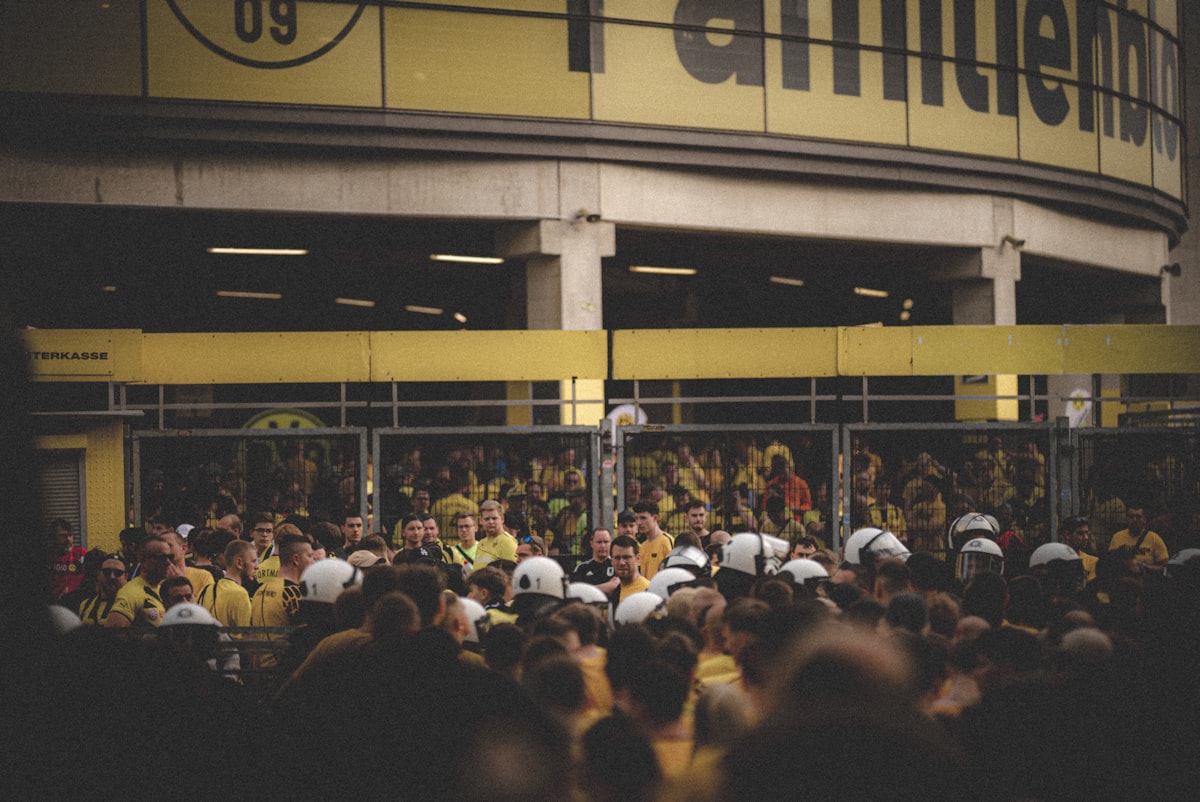
Football clubs in Germany range from globally recognised Bundesliga teams to traditional regional sides competing several levels below the professional game. The country’s league system is organised around promotion and relegation, so the exact club list in each division changes from season to season.
The best-known German football clubs include Bayern Munich, Borussia Dortmund, Bayer Leverkusen, RB Leipzig, Eintracht Frankfurt, Borussia Mönchengladbach, VfB Stuttgart, Werder Bremen and Schalke 04. They differ in history, location, honours, stadium culture and current division.
Major Bundesliga teams
The Bundesliga is Germany’s top professional football division. These are some of the most prominent German soccer teams and the features that make them widely followed:
| Club | City | Why it is notable |
|---|---|---|
| Bayern Munich | Munich | Germany’s most successful club domestically and a regular contender in European competitions. |
| Borussia Dortmund | Dortmund | Known for its large support, yellow-and-black identity and strong record of developing young players. |
| Bayer Leverkusen | Leverkusen | A modern top-flight club that has become a major force in German football. |
| RB Leipzig | Leipzig | A relatively young club that rose quickly through the German football pyramid. |
| Eintracht Frankfurt | Frankfurt | A historic club with a strong fan base and success in domestic and European competition. |
| VfB Stuttgart | Stuttgart | One of the traditional clubs from southern Germany, with several top-flight titles. |
| Borussia Mönchengladbach | Mönchengladbach | A historic powerhouse that enjoyed a particularly strong period during the 1970s. |
| Werder Bremen | Bremen | A long-established club with Bundesliga titles, a national following and a distinctive green-and-white identity. |
Other established Bundesliga clubs can include SC Freiburg, Mainz 05, FC Augsburg, TSG Hoffenheim, 1. FC Union Berlin, VfL Wolfsburg and Borussia Dortmund’s regional rivals. Promotion and relegation mean that the lineup should always be checked against the relevant season.
Historic German football clubs
Some of the most famous football clubs from Germany are not always in the Bundesliga. Their historical importance, fan culture or former success keeps them prominent even when they compete in a lower division.
- Schalke 04: Based in Gelsenkirchen, Schalke is one of Germany’s best-supported clubs and has won national titles, although it has also experienced periods outside the top division.
- Hamburger SV: One of Germany’s traditional northern clubs, Hamburg has a major stadium and a long record in the top flight.
- 1. FC Nürnberg: A historic Bavarian club with a strong record in the early decades of German championship football.
- 1. FC Kaiserslautern: A respected club from Rhineland-Palatinate that has won German championships and the DFB-Pokal.
- Hertha BSC: Berlin’s most prominent traditional club, with a large following and a history in the Bundesliga.
- 1. FC Köln: A major club from Cologne known for its passionate support and long top-flight history.
- Hansa Rostock: A notable club from northeastern Germany with a strong regional identity.
How the German football league system works
The German football pyramid has several national and regional levels. The Bundesliga sits at the top, followed by the 2. Bundesliga. The 3. Liga is the third tier and includes professional and highly competitive semi-professional clubs.
Below the 3. Liga, the five Regionalliga divisions cover different parts of the country. Further leagues are administered by regional football associations. Clubs normally move upward by winning their division or succeeding in promotion playoffs, while lower-placed teams can be relegated.
This structure explains why a search for “German football clubs” can produce both internationally famous Bundesliga teams and smaller local sides. A club’s division is not a permanent label; financial problems, sporting performance and promotion results can change its position.
German clubs by region
Germany’s football identity is strongly regional. The following examples show where many well-known clubs are based:
- Bavaria: Bayern Munich, 1. FC Nürnberg, FC Augsburg, 1860 Munich and SpVgg Greuther Fürth.
- North Rhine-Westphalia: Borussia Dortmund, Schalke 04, Bayer Leverkusen, 1. FC Köln, VfL Bochum and Borussia Mönchengladbach.
- North Germany: Werder Bremen, Hamburger SV, Hannover 96, FC St. Pauli and Holstein Kiel.
- Berlin and eastern Germany: Hertha BSC, Union Berlin, RB Leipzig, Dynamo Dresden and Hansa Rostock.
- Southwest Germany: Eintracht Frankfurt, VfB Stuttgart, SC Freiburg, Mainz 05 and 1. FC Kaiserslautern.
Which German club should you follow?
For a club with the strongest record of domestic success, Bayern Munich is the obvious starting point. Borussia Dortmund is a strong choice for supporters interested in large matchday crowds and youth development. Bayer Leverkusen, RB Leipzig and Eintracht Frankfurt offer more recent examples of clubs competing near the top of German and European football.
Supporters who prefer tradition and intense local rivalries may want to look at Schalke 04, Hamburger SV, 1. FC Köln, Werder Bremen or Borussia Mönchengladbach. The best choice often depends on whether you value trophies, history, a specific city, supporter culture or a club’s style of development.
Common questions about football clubs in Germany
How many football clubs are in Germany?
There are thousands of registered football clubs in Germany across professional, semi-professional, amateur and youth competitions. Only a small number compete in the Bundesliga and 2. Bundesliga.
What is the most successful German football club?
Bayern Munich is the most successful German club by domestic honours and has also won major European trophies. The exact count of titles depends on which competitions are included.
Are German football clubs privately owned?
Many German clubs operate under the influence of the 50+1 rule, which generally gives the club’s members voting control over its football company. The rule has exceptions and has been subject to ongoing legal and sporting debate.
What are the biggest rivalries in German football?
Notable rivalries include Borussia Dortmund versus Schalke 04, Bayern Munich versus Borussia Dortmund, Hamburger SV versus Werder Bremen, and 1. FC Köln versus Borussia Mönchengladbach. Local and regional rivalries also exist throughout the lower divisions.