
What Is a Football Commonly Made Of?
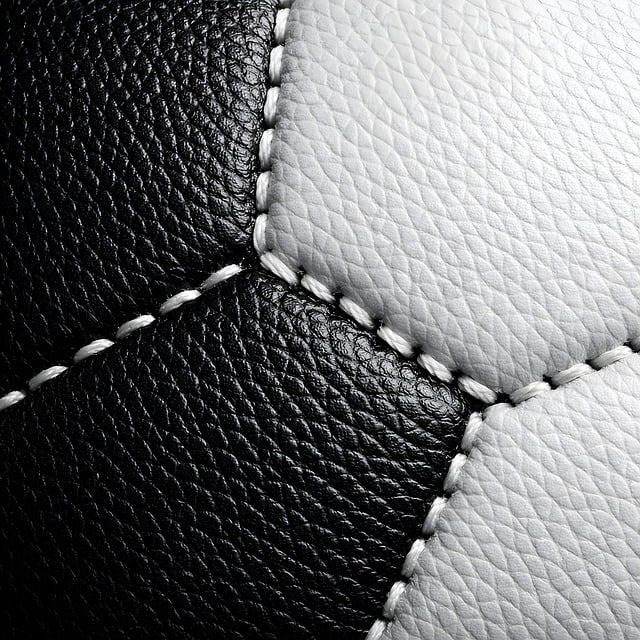
A modern football, also called a soccer ball, is commonly made of synthetic materials rather than natural leather. Most match-quality balls have a polyurethane (PU) or polyvinyl chloride (PVC) outer cover, several layers of lining, and an internal bladder that holds the air.
The main materials in a football
The outer surface is usually made from synthetic leather. Polyurethane is widely used for professional and high-quality training footballs because it feels soft, provides good grip, and performs consistently in wet conditions. PVC is harder and often more affordable, making it common in durable recreational footballs.
Under the cover, manufacturers add layers of polyester, cotton, or similar fabric. These layers reinforce the ball, help it keep its round shape, and control how much it stretches after repeated use. The outer panels may be stitched together or bonded with heat, depending on the design.
What is inside a football?
Inside the ball is an inflatable bladder. Latex bladders provide a soft touch and are often found in higher-level footballs, but they can lose air more quickly. Butyl bladders retain air for longer and require less frequent inflation, so they are common in training and recreational balls.
The bladder is connected to a valve, usually made from rubber or another flexible synthetic material. The valve allows the ball to be inflated with a pump while helping prevent air from escaping.
Why footballs are no longer usually made of leather
Older footballs were commonly covered in leather. Leather absorbed water, became heavier in wet weather, and could change shape during play. Synthetic covers are more water-resistant, easier to maintain, and provide more predictable touch and flight.
Some modern balls are described as synthetic leather footballs, but this normally means a manufactured polyurethane or PVC cover rather than genuine animal leather. The term refers to the feel and layered construction of the surface.
How materials affect performance
- Polyurethane cover: Softer touch, improved control, and better performance in changing weather.
- PVC cover: Hard-wearing construction and lower cost, although it may feel less soft.
- Latex bladder: Responsive feel but more frequent air loss.
- Butyl bladder: Strong air retention and lower maintenance.
- Textile lining: Shape stability, consistent bounce, and added durability.
The number of panels and the way they are joined also influence the ball. Fewer bonded panels can create a smoother surface, while stitched panels may offer a familiar feel and strong durability. The exact construction varies between match balls, training balls, futsal balls, and inexpensive recreational models.
What an American football is made of
In American football, the term “football” refers to a different ball. An American football is commonly made with a leather or composite synthetic-leather outer cover, a rubber bladder, and laces made from synthetic material. Its oval shape and pointed ends distinguish it from the round association football used in soccer.