Gymnastics Apparatus Explained: Events, Equipment and Skills
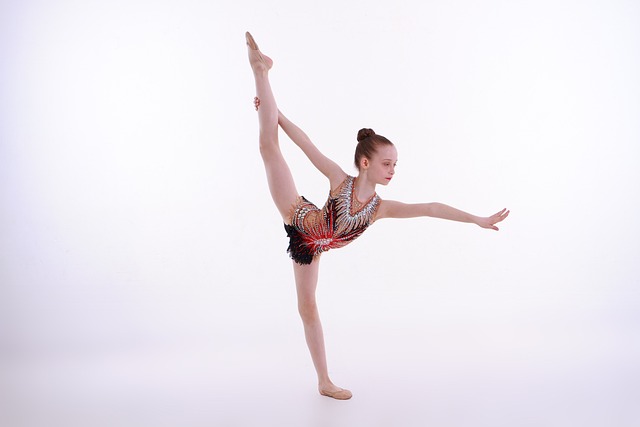
A gymnast can spend a routine swinging around a high bar, balancing on a beam only 10 centimetres wide, or turning a ribbon into a moving pattern across the floor. These events look closely related from the outside, but each gymnastics apparatus demands a different combination of strength, timing, balance and spatial awareness.
What does “gymnastics apparatus” mean?
In gymnastics, an apparatus is the main piece of equipment used for a competition event. The apparatus shapes the routine: it determines how an athlete generates speed, takes off, lands, balances or connects one skill to the next.
The term is most often associated with artistic gymnastics apparatus, including the floor exercise, vault, uneven bars, balance beam, still rings, pommel horse and parallel bars. Rhythmic gymnastics uses a separate group of handheld apparatus, while trampoline gymnastics centres on a sprung trampoline.
Artistic gymnastics apparatus
Men’s and women’s artistic gymnastics share the floor exercise and vault, but their full event programmes are different. Women compete on four apparatus, while men compete on six.
| Apparatus | Programme | What it tests |
|---|---|---|
| Floor exercise | Women and men | Tumbling, choreography, power, flexibility and control |
| Vault | Women and men | Speed, take-off power, flight and landing accuracy |
| Uneven bars | Women | Swinging, release skills, transitions and handstand control |
| Balance beam | Women | Balance, acrobatics, leaps, turns and composure |
| Still rings | Men | Upper-body strength, static holds and controlled swings |
| Pommel horse | Men | Continuous support, circles, scissors and rhythm |
| Parallel bars | Men | Strength, swings, releases and landing control |
| Horizontal bar | Men | Giant swings, releases, flight and regrasping |
Floor exercise
The floor exercise takes place on a spring floor that helps absorb landings and return energy during tumbling. Women’s routines combine acrobatics with dance and musical composition. Men’s routines traditionally place more emphasis on tumbling, strength elements and controlled movement without musical accompaniment.
Common floor skills include round-offs, handsprings, somersaults, twists, leaps and turns. Judges assess both the difficulty and the quality of execution, so a difficult pass still loses value if the landing is unstable or the body position is untidy.
Vault
Vault is the shortest artistic gymnastics event, but it is one of the most explosive. The gymnast runs towards a springboard, reaches the vaulting table, pushes through the hands and completes an aerial skill before landing on both feet.
Vault numbers identify different skills rather than separate pieces of equipment. A gymnast may perform a handspring, a round-off entry or a twisting somersault, depending on the chosen vault. Runway speed, a strong block from the table and a controlled landing are central to a successful vault.
Uneven bars and balance beam
The uneven bars use two rails set at different heights. Gymnasts move between them through giant swings, flight elements, pirouettes and releases. The routine must flow rather than look like a series of isolated tricks, and the dismount provides the final test of height and landing control.
The balance beam is narrow, elevated and unforgiving. A beam routine includes acrobatic elements, leaps, turns and a dismount, often performed at speed. Small checks may cost execution points, while a fall creates a much larger penalty and interrupts the routine’s rhythm.
Men’s apparatus: still rings, pommel horse, parallel bars and horizontal bar
The still rings expose every weakness in body control. Because the rings move independently, athletes must stabilise them while performing swings, strength positions and handstands. Elements such as the iron cross require considerable strength and precise shoulder positioning.
The pommel horse demands continuous movement. Gymnasts support their weight on their hands while their legs circle and travel over the body of the apparatus. Pauses, bent knees and breaks in rhythm are especially visible here.
On the parallel bars, gymnasts alternate between support positions, swings, releases and flight elements above or between the rails. The horizontal bar, also called the high bar, is built around long swings, turns, releases and a high-flying dismount. Releasing the bar is only half the challenge; the gymnast must also find it again at exactly the right moment.
Rhythmic gymnastics apparatus
Rhythmic gymnastics uses five handheld apparatus: rope, hoop, ball, clubs and ribbon. Routines combine leaps, pivots, balances and body waves with throws, catches, rolls and apparatus handling.
- Rope: swung, rotated, skipped and thrown while the gymnast performs jumps and dynamic body movements.
- Hoop: rolled, rotated, passed through and thrown, demanding accurate timing and full-body coordination.
- Ball: balanced, bounced, rolled and caught, often without the hands closing around it.
- Clubs: manipulated in pairs through mills, circles, taps, throws and catches.
- Ribbon: kept moving in spirals, snakes, circles and large patterns while avoiding knots or drops.
Rhythmic gymnastics apparatus is lighter and more mobile than the fixed equipment used in artistic gymnastics. The apparatus must remain active throughout the routine, and a drop can affect both execution and the overall continuity of the performance.
How gymnastics apparatus affect scoring
The apparatus does not merely provide a background for the routine. It changes the technical risks and the way difficulty is created. On vault, difficulty is concentrated into a single flight. On the uneven bars or horizontal bar, a gymnast may build difficulty through connected swings, releases and transitions. On beam, the same skill that looks secure on the floor becomes harder because balance is limited.
Competition scoring generally separates the value of the skills performed from the quality of execution. Judges can deduct for falls, steps on landings, bent legs, incomplete turns, poor body positions, pauses and insufficient height. In rhythmic gymnastics, apparatus handling errors such as a drop, knot or inaccurate catch also matter.
Which gymnastics apparatus is hardest?
There is no universal answer because difficulty depends on the athlete’s strengths. The still rings and pommel horse place exceptional demands on strength and continuous control. The balance beam has a small working surface and makes mistakes highly visible. The horizontal bar and uneven bars involve release skills where timing and regrasping are critical.
Vault can look simple because it lasts only a few seconds, but it combines a fast approach with a powerful block, aerial rotation and a precise landing. Rhythmic apparatus add another layer: the gymnast must manage an object while maintaining body technique, musical timing and spatial awareness.
Gymnastics apparatus for training and beginners
Full-size competition equipment is not always suitable for early practice. Coaches commonly use softer landing mats, low beams, foam pits, harnesses, training bars and blocks to introduce skills safely. A beginner may practise beam walks on a floor-level line, learn bar shapes on a low rail or develop vault technique with a raised landing surface before progressing to the competition apparatus.
Equipment should be inspected regularly, placed on a stable surface and used with qualified supervision. Landing areas need enough space, and athletes should not attempt unfamiliar releases, somersaults or strength holds without appropriate coaching.
Frequently asked questions about gymnastics apparatus
How many apparatus are there in artistic gymnastics?
There are eight commonly named artistic gymnastics events: floor exercise, vault, uneven bars, balance beam, still rings, pommel horse, parallel bars and horizontal bar. Women compete on four of these in the standard programme, while men compete on six.
Are gymnastics apparatus the same for men and women?
No. Both programmes include floor exercise and vault. Women also compete on uneven bars and balance beam, while men compete on still rings, pommel horse, parallel bars and horizontal bar.
What apparatus are used in rhythmic gymnastics?
Rhythmic gymnastics uses rope, hoop, ball, clubs and ribbon. The event programme determines which apparatus is used in a particular routine.
Is trampoline an artistic gymnastics apparatus?
No. Trampoline gymnastics is a separate discipline. Athletes perform aerial skills on a sprung trampoline rather than on the apparatus used in artistic gymnastics.