How to Run Very Fast in a Race: Training, Pacing, and Technique

Learning how to run very fast in a race is not only about pushing harder. Speed comes from combining efficient running form, focused workouts, enough recovery, and a race plan that matches the distance. A sprinter, a 5K runner, and a marathon runner all need different ways to improve speed.
Start by matching your training to the race
The best way to run faster depends on the event. Short races require acceleration and maximum speed, while longer races require you to hold a strong pace without slowing dramatically.
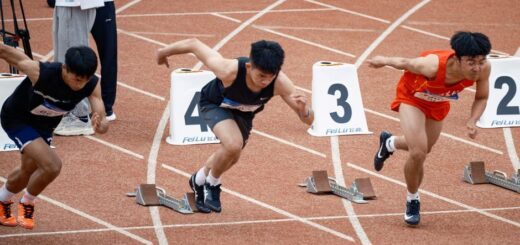
- For a sprint: focus on acceleration, explosive strength, relaxed top-speed running, and full recovery between hard efforts.
- For an 800 m to 1500 m race: combine speed intervals with aerobic training and practice changing pace when tired.
- For a 5K: build an aerobic base, then add threshold runs and intervals near your target race pace.
- For a 10K or longer race: improve endurance first, then add controlled faster sections to make race pace feel more comfortable.
Trying to train like a 100-metre sprinter when preparing for a long-distance race can leave you tired without improving the quality that matters most. Use the race distance to decide which type of speed deserves the most attention.
Improve running technique without forcing it
Efficient form helps you produce speed with less wasted movement. Keep your posture tall, lean slightly forward from the ankles, and let your arms swing forward and backward rather than across your body. Your hands should stay relaxed.
Allow your foot to land reasonably close to your centre of mass instead of reaching far ahead. Overstriding can act like a brake and may increase stress on the legs. Do not try to dramatically change your stride length or force a particular foot-strike pattern; small improvements made through drills and regular running are usually more sustainable.
At faster speeds, think about quick, light contacts with the ground and relaxed shoulders. Looking ahead rather than down can also help maintain a stable position. Technique should remain controlled, not tense.
Workouts that help you run faster
Most runners need only one or two demanding speed sessions per week. Place them away from one another and avoid doing every workout at maximum effort.
Short intervals
Short repetitions build speed and running economy. After a thorough warm-up, try 6 to 10 repetitions of 20 to 30 seconds at a fast but controlled effort. Walk or jog until you feel ready to run well again. Stop the session if your form becomes strained.
Race-pace intervals
For a 5K, examples include 5 repetitions of 800 metres or 4 repetitions of 1 kilometre around your planned race pace, with an easy jog between repetitions. Adjust the number and distance to your current fitness. The goal is consistent running, not a dramatic first repetition followed by a collapse.
Tempo or threshold running
A tempo run develops the ability to sustain a challenging pace. Run for 15 to 25 minutes at an effort that feels controlled but too hard for casual conversation. It should not feel like an all-out time trial. This type of session is especially useful for runners asking how to increase running speed over 5K or 10K.
Strides
Strides are short accelerations that improve coordination without creating the fatigue of a full interval workout. After an easy run, complete 4 to 8 relaxed efforts of about 15 to 20 seconds, gradually accelerating and then easing off. Walk or jog between them.
Build strength for faster running
Strength training can improve force production, stability, and resistance to fatigue. Two short sessions per week may be enough for many runners. Useful exercises include split squats, squats, step-ups, Romanian deadlifts, calf raises, and controlled single-leg balance work.
Add a small amount of power training only after you can perform basic strength exercises safely. Low-volume hops, skips, and short hill sprints can be effective, but they place extra stress on the calves, Achilles tendons, and hamstrings. Use a gradual progression and avoid adding several new explosive exercises at once.
Use hills to develop speed safely
Short uphill efforts encourage a strong knee drive and reduce the chance of overstriding because the slope naturally limits speed. After warming up, try 6 to 8 repetitions of 10 to 15 seconds uphill, walking back for recovery. Keep the effort powerful but smooth.
Longer hill repetitions can also improve strength endurance, although they are more demanding. Downhill running should be approached carefully because braking forces can increase muscle soreness and joint stress.
Learn to pace the race
Many runners lose speed because they start faster than their fitness allows. For a longer race, begin close to your planned pace rather than sprinting away from the starting line. Settle into a rhythm, check your effort at the halfway point, and increase the pace only if you still have control.
A strong finish usually comes from patience early in the race. In a short sprint, the priority is a powerful acceleration followed by relaxed top-speed mechanics. In a 5K or longer event, even pacing or a small negative split is often more effective than an aggressive opening kilometre.
Warm up and recover properly
Before fast running, spend 10 to 15 minutes jogging easily, then add dynamic movements such as leg swings, skips, and a few gradual accelerations. A warm-up raises body temperature and gives you a chance to identify stiffness before the hard work begins.
Recovery determines whether speed training produces progress. Sleep well, eat enough to support your training, and keep easy days genuinely easy. Leave at least 48 hours between demanding sessions when possible. A light jog or walk may help you stay mobile, but it should not become another hard workout.
Common mistakes that slow progress
- Running every session hard: fatigue can reduce training quality and increase injury risk.
- Skipping the warm-up: cold muscles are less prepared for acceleration and fast changes in force.
- Chasing a new personal best every week: speed improves through repeated quality sessions, not constant testing.
- Changing form too aggressively: forced alterations can create tension and unfamiliar loading.
- Ignoring pain: stop and assess sharp, worsening, or persistent pain rather than trying to run through it.
How quickly can you get faster?
Some runners notice better coordination and confidence within a few weeks, while measurable race improvement often takes longer. Progress depends on training history, age, recovery, injury status, sleep, and the distance being trained for. Keep a simple record of workout pace, effort, and how you felt afterward. This helps you increase training gradually instead of guessing.
If you are new to speedwork, begin with strides or short hill efforts before adding demanding track intervals. Runners with recurring pain, medical conditions, or a long break from exercise should seek advice from a qualified health professional or coach before starting intense training.
Frequently asked questions about running faster
Can running every day make me faster?
Running frequently can build endurance, but daily hard running usually does not. Faster progress often comes from combining easy mileage with one or two quality sessions and sufficient rest.
Should I focus on stride length or cadence?
Neither should be forced in isolation. A stronger, more efficient stride often develops naturally as fitness and strength improve. Focus first on relaxed form, good posture, and landing without reaching too far ahead.
Are sprints useful for distance runners?
Short strides and occasional hill sprints can improve coordination and running economy for distance runners. Full-effort sprinting requires more caution and recovery, so it should be introduced gradually.