Nutmeg in Football: Meaning, Technique and When It Works
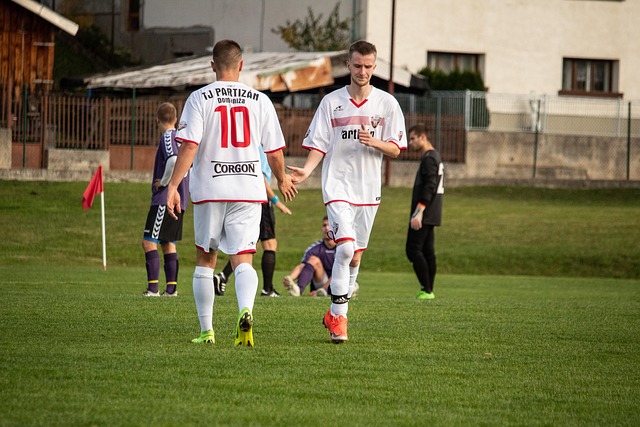
A nutmeg in football happens when a player sends the ball through an opponent’s legs and collects it on the other side. It can be a deliberate dribble, pass or finish, but the defining feature is the ball travelling between the defender’s feet. In different football cultures, the move is also called a tunnel, panna or simply megs.
The attraction is obvious: a successful nutmeg beats the defender while often embarrassing them at the same time. In serious matches, though, the best nutmegs are not attempted just for entertainment. They work because the attacker reads the defender’s stance, notices an opening and has enough acceleration to reach the ball first.
What does nutmeg mean in football?
In football terminology, “nutmegging” means deliberately playing the ball through an opponent’s legs. The attacker may use either foot and can perform the action from a standing position, while dribbling or during a one-versus-one situation.
A nutmeg is different from an accidental deflection between a player’s legs. Intent matters in normal football conversation. A pass that travels through a teammate’s legs is not usually described as a nutmeg, while deliberately passing through a defender’s legs to reach a teammate can be.
The move appears in several forms:
- Dribbling nutmeg: The attacker pushes the ball through the defender’s legs and runs around them.
- Passing nutmeg: A player finds a teammate through an opponent’s stance.
- Finishing nutmeg: A shot goes through the goalkeeper’s legs and into the goal.
- Reverse or disguised nutmeg: The attacker shapes to move one way before using a small touch through the gap.
How to perform a football nutmeg
The basic action is simple, but the timing is difficult. Start by carrying the ball toward the defender under close control. The aim is to make the opponent put weight on one foot, open their stance or reach for the ball. That moment creates the channel.
- Approach under control. Keep the ball close enough to change direction instead of taking a large touch.
- Read the defender’s feet. Look for a wide stance, a planted foot or a leg moving forward to tackle.
- Use a small disguise. A shoulder drop, step-over or change of pace can make the defender open their legs.
- Push the ball through the gap. Use enough pace to clear the feet, but not so much that the ball runs beyond your reach.
- Accelerate immediately. The nutmeg is only successful if you get to the ball before the defender can turn and recover.
The best contact point depends on the distance. Near the defender, use the inside of the foot for accuracy. From farther away, a firmer touch may be necessary. Many failed nutmegs come from focusing on the gap and ignoring what happens after the ball crosses it.
When is nutmegging a good decision?
A nutmeg is most useful when the defender is square to the attacker, has a narrow recovery route or is already committed to a challenge. It can be particularly effective near the touchline, where the defender has fewer directions in which to turn, or in midfield when a teammate is positioned to receive the next pass.
There is a trade-off. If the defender’s legs are close together, the gap is too small and the ball may be intercepted. If the attacker is facing pressure from a second defender, winning the first duel may still lead to losing possession immediately afterward. In those situations, a simple pass or change of direction is often the better football decision.
Players should also consider the match situation. A nutmeg in the opponent’s penalty area can create a shooting chance, while the same attempt near the halfway line can expose the team to a counterattack. Skillful players do not try to nutmeg every opponent; they use it when the reward justifies the risk.
How to defend against a nutmeg
Defenders can reduce the chance of being nutmegged by avoiding an unnecessarily wide stance and staying balanced. Closing the gap too aggressively makes the legs vulnerable, while standing completely square can give the attacker an obvious channel.
Good defending involves controlling distance, showing the attacker toward a less dangerous area and waiting for a heavy touch. The defender should also avoid stabbing a foot into the ball without support. If the ball does pass through the legs, turning quickly and slowing the attacker’s next action may still prevent a meaningful chance.
Common questions about nutmegs in football
Why is it called a nutmeg?
The exact origin is disputed, and several explanations have been suggested. In modern football, the term is widely understood to mean putting the ball through an opponent’s legs. The slang terms “panna,” “tunnel” and “megs” describe the same basic action in many contexts.
Is a nutmeg allowed in football?
Yes. A nutmeg is a normal legal football action as long as the attacker does not foul the opponent. It can be used in open play, during a dribble, as a pass or as a shot at goal.
Is a goalkeeper nutmeg the same thing?
Yes. If a shot or pass goes between the goalkeeper’s legs, it is commonly described as a goalkeeper nutmeg. The result may be especially costly because the ball can reach the goal before the goalkeeper has time to recover.
What is the difference between a panna and a nutmeg?
In street football and freestyle football, “panna” often refers specifically to putting the ball through an opponent’s legs, sometimes with the attacker required to retain possession. In regular football, “nutmeg” is the more common general term, although the meanings overlap.
A nutmeg in football is therefore both a technical action and a decision-making test. The visible trick takes a moment, but the real skill lies in spotting the defender’s balance, controlling the touch and escaping before the opponent can recover.