What Is Rock League Curling? Rules, Format and How It Works
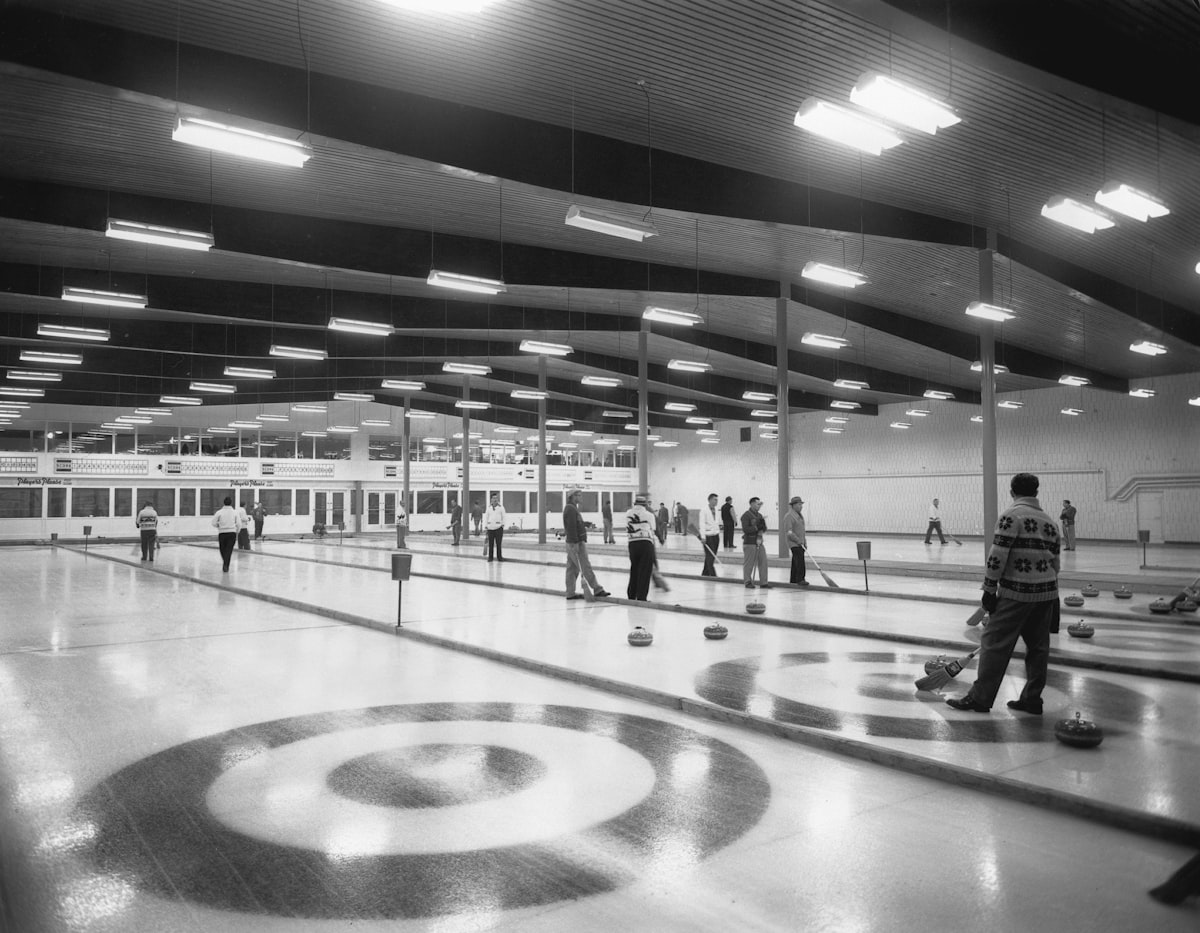
Rock League curling usually means a recreational, beginner-friendly curling league built around regular club games. It is not a separate Olympic event with one universal rulebook. The name is often used by curling clubs, facilities or organizers for a relaxed league that helps new players learn the sport while competing in a social setting.
Because “Rock League” can be a local or branded name, the exact format varies. One club may use standard four-player teams and traditional scoring, while another may shorten games, use modified equipment or organize mixed-experience teams. The venue’s rules are therefore more reliable than the name alone.
How does Rock League curling work?
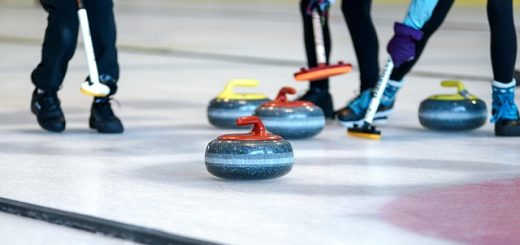
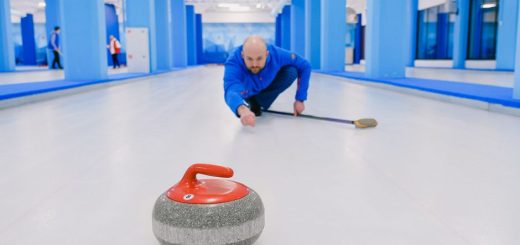
A Rock League curling game takes place on a sheet of ice. Players slide granite stones, also called rocks, toward a circular target known as the house. Teams take turns delivering stones and may sweep in front of a moving stone to influence its speed and direction.
At the end of an end, the team with the stone closest to the centre of the house scores. It receives one point for that stone and additional points for any other stones closer to the centre than the opponent’s nearest stone. A league may play fewer ends than a full-length competitive match so that games fit a shorter evening schedule.
Common features of a recreational curling league include:
- Shorter games or a fixed time limit
- Teams made up of beginners, experienced players or a mixture of both
- Simple instruction before the first game
- Flexible team line-ups and substitutes
- Social traditions such as meeting after the game
Some Rock League curling programs use an introductory format in which players rotate positions. That gives participants the chance to try delivering stones, sweeping and directing the team. Other leagues keep the usual skip, vice-skip, second and lead positions but provide coaching during play.
Is Rock League curling different from regular curling?
The central skills are the same as in standard curling: delivering a stone accurately, judging weight, reading the ice, sweeping effectively and choosing a useful shot. The main difference is usually the level of competition and the way the league is organized.
Competitive curling often has formal registration, strict eligibility rules and a set number of ends. A recreational Rock League may prioritize participation and learning instead. Teams can have different levels of experience, and the rules may be adjusted to make games easier to schedule or more welcoming to first-time curlers.
Rock League curling should also not be confused with Rocket League, the car-based video game. In a curling context, “rock” refers to the granite curling stone.
What equipment do players need?
Most clubs provide the main curling equipment, including stones, brooms and the hacks used to begin a delivery. Players commonly need clean indoor athletic clothing, warm flexible layers and suitable footwear. Curling shoes are helpful, but many introductory sessions allow players to use rental shoes or attachable sliders supplied by the club.
Footwear matters because the ice is slippery and curling involves controlled sliding. Players should avoid outdoor shoes that carry grit onto the ice. A club may also require a helmet for young participants or new players, especially during introductory sessions.
Who is Rock League curling for?
This type of league is generally aimed at people who want to try curling without immediately joining a high-level competitive team. It can suit complete beginners, adults returning to the sport, families, students and experienced curlers looking for a less formal league.
New players usually benefit from learning the basic delivery position, how to stop safely, how to sweep without blocking another player and how scoring works. The first session may feel unfamiliar because balance on the ice takes practice, but most clubs build instruction into the opening games.
Questions to check before joining a Rock League
Since Rock League is not a standardized international competition, check the details with the organizer before signing up. Useful questions include:
- How many players are on each team?
- How long is each game, and how many ends are played?
- Are stones, brooms and curling shoes included?
- Can individuals register without a full team?
- Are beginners given coaching or an orientation session?
- Are the games mixed, open or divided by experience level?
- What happens if a team needs a substitute?
In short, the meaning of Rock League curling depends on the club using the term. In most cases, it describes an accessible recreational curling league that uses the normal aim of the sport—placing stones closer to the centre of the house—while offering a more relaxed format for learning and regular play.