
Greatest Athletes of All Time: A Fair Comparison Across Sports
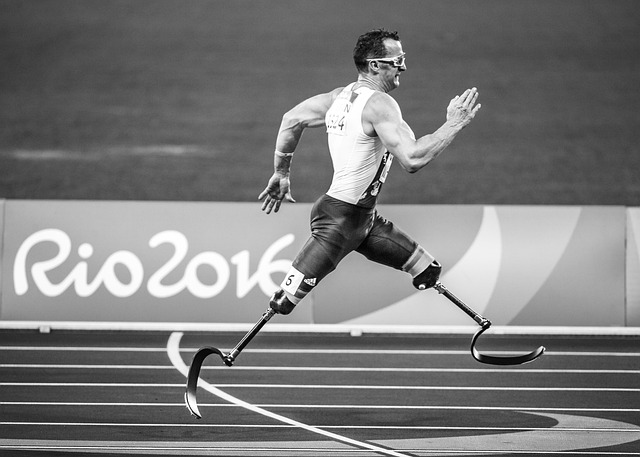
There is no single, universally accepted answer to the question of who the greatest athletes of all time are. A sprinter, footballer, swimmer and tennis champion compete under completely different rules, with different schedules, team structures and opportunities to measure excellence.
A useful comparison therefore needs more than trophies or popularity. The strongest candidates combine sustained dominance, exceptional peak performance, longevity, major achievements and an influence that extends beyond their results.
How to compare the greatest athletes of all time
Dominance asks how far an athlete stood above their rivals. Winning is impressive, but repeated victories against elite opposition provide stronger evidence. A long unbeaten run, record number of major titles or a large gap over competitors can all demonstrate dominance.
Longevity measures how long an athlete remained among the best. Some athletes had a brief, extraordinary peak, while others performed at world-class level for a decade or more. Both types deserve recognition, but they represent different forms of greatness.
Achievement includes championships, Olympic medals, world records, individual awards and success in the biggest events. Context matters: a title in a deep, competitive era may carry a different meaning from a record achieved in a less demanding field.
Versatility and difficulty also matter. An athlete who succeeds in multiple events, positions, surfaces or disciplines may have a broader résumé. However, versatility should not unfairly reduce the achievements of specialists who reached an unmatched level in one event.
Influence is a separate factor from sporting ability. Some athletes changed how their sport was played, expanded its audience or became important cultural figures. That impact can strengthen a legacy, although it should not replace competitive evidence.
Leading candidates across different sports
Michael Jordan — basketball
Michael Jordan is a leading answer for the greatest basketball player ever because he combined individual excellence with team success. His résumé includes six NBA championships, six Finals MVP awards and five regular-season MVP awards. His scoring ability, defense, competitiveness and performances on the biggest stage made him the defining player of his era.
The main argument against placing Jordan first in every sport is that basketball greatness is shaped by a relatively small number of games and a team environment. Even so, his peak dominance and worldwide influence are difficult to match.
Pelé and Lionel Messi — football
Pelé remains one of the strongest candidates among the greatest footballers of all time. He won three World Cups with Brazil and became a global symbol of attacking skill. His era differed from the modern game, so direct statistical comparisons require caution.
Lionel Messi offers the strongest modern case. He has won the World Cup, multiple Ballon d’Or awards and major club titles, while combining scoring, passing and chance creation at an exceptional level. The comparison between Pelé, Messi and other football legends depends heavily on how much weight is given to international success, club performance, longevity and era.
Serena Williams — tennis
Serena Williams is widely regarded as one of the greatest tennis players of all time. Her Grand Slam record, powerful serve, athletic movement and ability to win across different generations support the case. She also returned to elite competition after significant career interruptions, adding to the evidence of her resilience and longevity.
Novak Djokovic, Rafael Nadal and Roger Federer are central to the same debate in men’s tennis. Djokovic has a particularly strong statistical case through major titles, weeks ranked world number one and success across surfaces. Nadal’s dominance on clay and Federer’s peak quality make the comparison more nuanced than a simple count of trophies.
Usain Bolt — athletics
Usain Bolt is the clearest candidate in sprinting. He won Olympic gold in the 100 metres, 200 metres and 4×100-metre relay at consecutive Games and set world records in both individual sprint events. His advantage was not only his medal total but also the margin and authority of his best performances.
Bolt’s case illustrates why peak dominance matters. Athletes in other track and field events may have longer careers or more medals, but few created such a visible gap in the sport’s most prominent races.
Michael Phelps — swimming
Michael Phelps has the strongest medal-based case among Olympic athletes. His record haul of Olympic gold medals and total medals reflects extraordinary preparation, technical range and consistency across several events. Swimming also offers more medal opportunities than many sports, so totals should be interpreted alongside the difficulty of his individual events and repeated success over multiple Games.
Simone Biles — gymnastics
Simone Biles is a compelling choice when technical difficulty and sport-wide influence are emphasized. She has dominated world gymnastics, produced skills that few athletes could attempt and maintained elite performance despite the intense physical and mental demands of the sport.
Gymnastics careers are often shorter than those in endurance or team sports, which makes direct comparisons difficult. Biles demonstrates that a short competition window can still contain an extraordinary level of sustained excellence.
Muhammad Ali — boxing
Muhammad Ali’s case combines elite boxing achievements with historical and cultural influence. He defeated several outstanding heavyweight opponents, reclaimed the world title and became one of the most recognizable athletes in history. His movement, speed, tactical intelligence and confidence changed expectations for heavyweight boxing.
Boxing comparisons require special care because athletes compete less frequently, face individually selected opponents and do not share one universal championship structure. Ali’s record is therefore best assessed through the quality of his opponents, the importance of his victories and his performance across different stages of his career.
Other athletes often included in the GOAT debate
The shortlist changes depending on the criteria and the sports included. Athletes frequently mentioned among the greatest ever include:
- Tom Brady, whose longevity and seven Super Bowl victories define the strongest American football case.
- Wayne Gretzky, whose scoring and playmaking records set him apart in ice hockey.
- Jackie Joyner-Kersee, one of track and field’s most accomplished all-round athletes.
- Eddy Merckx, whose victories across cycling’s major races support an exceptional endurance-sport case.
- Tiger Woods, whose peak dominance and major championship success transformed golf.
- Lewis Hamilton, whose Formula One victories, pole positions and sustained competitiveness place him among motorsport’s leading candidates.
- Kelly Slater, whose record world surfing titles and longevity make him a standout in board sports.
Why a single greatest athlete is difficult to identify
Sports reward different physical and mental qualities. A swimmer can compete in multiple events at one Olympic Games, while a footballer may play one position for a team across a long season. A boxer controls their own contest more directly than a basketball player, but fights are much less frequent.
Access and opportunity also affect historical comparisons. Earlier athletes often faced less global competition, fewer televised events and different training standards. Modern athletes may benefit from sports science, specialist coaching and improved equipment, while also competing in deeper international fields.
Records should therefore be treated as evidence rather than a complete verdict. The best comparison asks what an athlete achieved, how difficult the achievement was, how far they exceeded their peers and how long they sustained that level.
So, who is the greatest athlete of all time?
If the question demands one name, there is no answer that can be defended across every sport without choosing a particular value system. Michael Jordan has one of the strongest cases for peak dominance and cultural influence. Usain Bolt has an exceptional case for clear superiority in the world’s most visible races. Michael Phelps has the strongest Olympic medal résumé, while Serena Williams, Messi, Ali and Biles combine historic achievement with distinctive excellence in their sports.
A more accurate conclusion is that the greatest athletes of all time form a group rather than a universally ranked list. The right choice depends on whether the priority is dominance, longevity, versatility, measurable achievement, difficulty or influence. Stating that criterion makes the debate more meaningful than naming a winner without explaining why.