
Health and Football: Fitness Benefits, Risks, and Safer Training
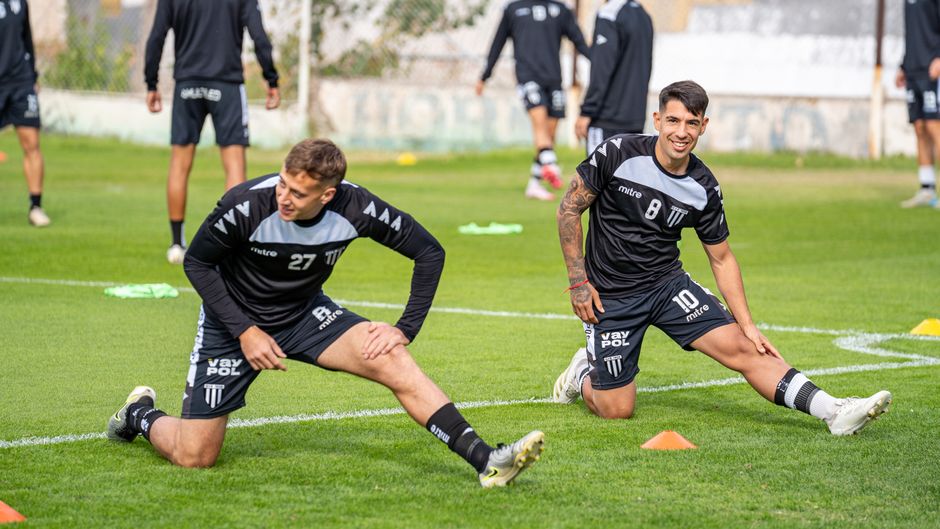
Football can improve health through regular running, changes of direction, balance work, and social interaction. It can also create avoidable problems when players ignore recovery, return too soon after an injury, or treat pain as a normal part of the sport. The right approach depends on age, fitness, playing level, medical history, and whether you play casually or compete regularly.
How football affects physical health
The main football health benefits come from repeated periods of moderate and high-intensity movement. A typical match or training session may include jogging, sprinting, walking, jumping, and rapid changes of direction. This combination can support cardiovascular fitness more effectively than exercise performed at one constant pace.
- Heart and lung fitness: Regular football can improve endurance and the ability to recover between intense efforts.
- Strength and coordination: Kicking, landing, shielding the ball, and changing direction challenge the legs, hips, trunk, and balance.
- Body composition: Consistent activity can help manage body weight when combined with suitable food intake and adequate sleep.
- Bone and movement health: Running and jumping provide impact that may support bone strength, while varied movement develops agility.
These effects depend on frequency and effort. One occasional match may be enjoyable, but it is less likely to produce the same fitness improvement as two or three well-spaced sessions each week. Players who are new to exercise should build up gradually rather than copying the workload of an experienced team.
Football’s mental and social benefits
Football can support mental wellbeing by providing routine, outdoor activity, and contact with teammates. Training also gives players a practical way to develop concentration, communication, decision-making, and resilience after mistakes. For children and teenagers, a positive team environment may be as valuable as the physical exercise.
The social benefit is not automatic. Excessive pressure from coaches, parents, or teammates can make sport stressful. A healthy football environment allows players to report pain, take rest days, and discuss concerns without fear of losing their place.
Common football health risks
The health effects of football are not always positive. The most frequent problems involve the ankle, knee, thigh, groin, and hamstring. An awkward landing or sudden change of direction can cause an acute injury, while repeated training without enough recovery can contribute to overuse pain.
Head impacts require particular care. A suspected concussion may involve headache, dizziness, confusion, balance problems, nausea, unusual tiredness, sensitivity to light, or difficulty concentrating. A player with possible concussion should stop playing and be assessed by a qualified healthcare professional. Returning to sport too soon can prolong symptoms and may increase risk.
Heat illness and dehydration are additional concerns, especially during hot weather or poorly timed sessions. Thirst, headache, weakness, cramps, nausea, confusion, or fainting should not be ignored. Confusion, collapse, or a very high body temperature requires urgent medical help.
Ways to make football safer
Football injury prevention works best as part of normal training rather than as a last-minute response to pain. Begin with a progressive warm-up that raises body temperature, then include dynamic movements, controlled accelerations, balance exercises, and changes of direction. A structured neuromuscular warm-up can help prepare the muscles and joints for match demands.
- Increase training time, intensity, and match frequency gradually after a break.
- Use well-fitting boots suited to the playing surface and replace damaged equipment.
- Strengthen the hamstrings, calves, glutes, and trunk alongside football practice.
- Leave enough time between demanding sessions for sleep, food, hydration, and recovery.
- Stop and seek assessment for significant swelling, inability to bear weight, severe pain, or symptoms that worsen.
Stretching may feel useful after activity, but it should not be treated as a complete injury-prevention programme. Strength, technique, workload management, and an appropriate warm-up usually matter more than holding long static stretches before a match.
Training, nutrition, and recovery choices
Players need enough carbohydrate to support intense sessions, protein distributed through the day to support tissue repair, and fluids adjusted for temperature and sweat loss. A simple meal containing carbohydrate and protein a few hours before training is often sufficient. After demanding activity, eating a normal balanced meal and replacing lost fluids can support recovery.
Supplements are rarely the first solution for football fitness or recovery. They may be unnecessary, contaminated, or unsuitable for people with medical conditions. Players subject to anti-doping rules should check every supplement with a qualified professional and use independently tested products where appropriate.
Rest is part of training. Persistent fatigue, declining performance, irritability, poor sleep, or recurring soreness may indicate that the workload is too high. Reducing intensity for several days can be more productive than adding another hard session.
Does football suit everyone?
Most people can adapt football to their abilities, but the best format varies. A beginner, older adult, or person returning after injury may benefit from walking football, small-sided games, or low-intensity drills before full matches. These options reduce running demands while preserving movement and social contact.
People with heart disease, uncontrolled asthma, significant joint problems, diabetes, or a recent operation should ask a healthcare professional how to return safely. Children should have age-appropriate coaching, regular breaks, and adults who understand concussion and heat illness. Pregnancy, medication use, and previous injuries may also change the safest training plan.
Questions players often ask about football health
Is football good for cardiovascular health?
Regular football can improve cardiovascular fitness because play alternates between lower-intensity movement and short, demanding efforts. The benefit is greater when sessions are consistent and recovery is adequate.
Can football cause long-term joint problems?
Some players develop persistent knee, ankle, or hip symptoms, particularly after repeated injuries or years of high training loads. Good rehabilitation, strength work, sensible workload planning, and medical assessment after significant injuries can reduce avoidable risk, although they cannot remove it entirely.
How soon can someone return after a football injury?
Return should depend on function rather than a fixed number of days. The player should be able to walk, jog, accelerate, change direction, and perform sport-specific movements without significant pain or instability. A clinician should assess suspected fractures, major ligament injuries, severe muscle injuries, or concussion.