
Premier League Referees: Roles, VAR and Match Appointments Explained
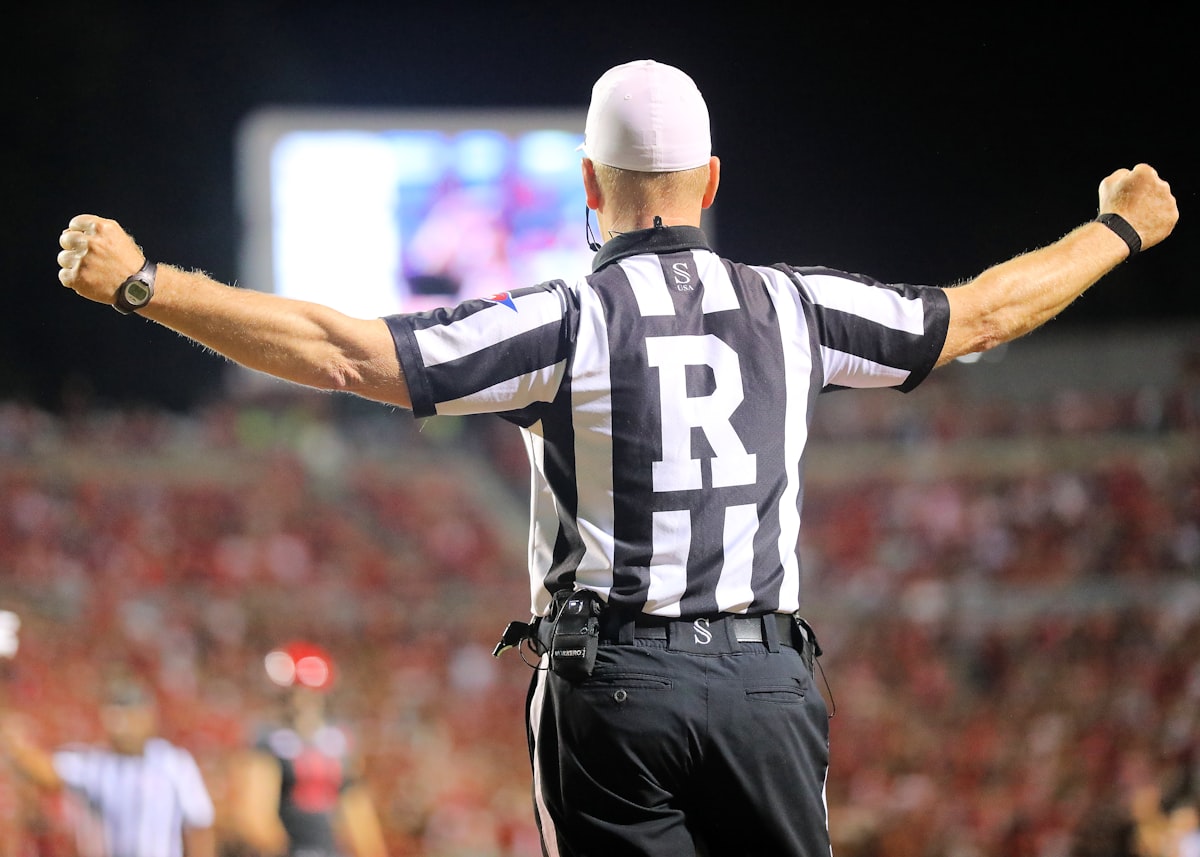
Premier League referees are responsible for applying the Laws of the Game, managing players and making decisions that can influence the result of a match. Their work is supported by assistant referees, fourth officials and the video assistant referee team.
Who appoints Premier League referees?
Match officials in England’s top division are managed through the Professional Game Match Officials Limited, commonly known as PGMOL. The organisation oversees referees, assistant referees, VAR officials and other match officials across the professional game.
The Premier League referee group is made up mainly of officials in Select Group 1, the level used for the country’s highest-profile domestic fixtures. Referees are assessed on their performances, fitness, decision-making, communication and ability to manage difficult match situations.
Appointments are made before each round of Premier League fixtures. A referee may be assigned to a match based on experience, availability, performance, competition requirements and the need to avoid certain scheduling conflicts. Officials can also be replaced if they are injured or become unavailable.
What does a Premier League referee do?
The referee has final authority on decisions made during the match. Key responsibilities include:
- Starting, stopping and restarting play.
- Judging fouls, handball offences and challenges.
- Applying advantage when the team that was fouled may benefit from continuing play.
- Awarding penalties, free kicks and other restarts.
- Issuing yellow and red cards.
- Adding time for substitutions, injuries, delays and other stoppages.
- Managing disagreements and maintaining control of the match.
Referees must make many decisions while moving at speed and viewing incidents from different angles. Positioning is therefore a major part of officiating. A good angle can help an official judge whether contact was careless, reckless or serious enough for a sending-off offence.
The role of assistant referees and the fourth official
Assistant referees operate along the touchlines. They help identify offside offences, determine which team should receive a throw-in, goal kick or corner, and support the referee with incidents close to their position. They also assist with substitutions and other match procedures.
The fourth official works near the technical areas. This official manages substitutions, monitors the behaviour of team staff and helps control activity around the benches. The fourth official also records added time and can support the referee when an incident occurs away from the main action.
How VAR works in Premier League matches
The video assistant referee checks certain types of incident from a central video operation room. VAR intervention is limited to clear and obvious errors or serious missed incidents involving goals, penalties, direct red cards and mistaken identity.
VAR does not review every decision or replace the referee’s responsibility for controlling the game. The on-field referee remains the decision-maker. In some situations, the VAR can confirm that a decision was correct without asking for a review. In others, the referee may be advised to look at the pitch-side monitor before making the final decision.
Offside decisions can involve detailed video analysis, including the point at which the ball was played and the position of the attacking player. Even with technology, the process can take time when the incident involves a subjective judgement about interference or an opponent’s ability to play the ball.
How referees are assessed
Premier League officials are reviewed after matches using video, performance reports and feedback from the wider officiating team. Assessors examine the accuracy and consistency of decisions, positioning, fitness, communication, disciplinary control and responses to incidents.
Referees also attend training sessions where they study match footage, practise decision-making and work on physical conditioning. Laws of the Game updates and instructions from the International Football Association Board are included in their preparation.
Performance reviews can affect future appointments. A referee may receive fewer high-profile fixtures after a difficult performance, while strong and consistent work can lead to important matches. Appointments are not based only on a single controversial decision, because officials are assessed across a wider body of work.
Why Premier League referee decisions cause debate
Football laws often require judgement rather than a simple factual answer. The referee may need to decide whether contact was careless, whether a handball offence was deliberate or whether a defender denied an obvious goal-scoring opportunity. Two incidents that look similar on television may involve different speed, distance, player movement or context.
Television replays can also change how an incident appears. A replay may show the point of contact clearly but provide less information about what the referee saw in real time. VAR is designed to correct clear errors, not to make every decision match a viewer’s preferred interpretation.
Supporters who want to understand a decision should consider the relevant law, the referee’s viewing angle, the referee’s initial call and the threshold for VAR intervention. Disagreement is common, but the official decision is based on the Laws of the Game and the competition’s VAR protocol.
Where to find Premier League referee appointments
Referee appointments are typically published ahead of each matchweek through official Premier League and PGMOL communications, as well as reliable football news sources. Appointment information can include the referee, assistant referees, fourth official and VAR team.
Because officials can be changed after appointments are announced, readers should check the latest official information before relying on a match-official list. A referee’s previous fixtures, disciplinary statistics and VAR assignments may also be available through league records and match reports.