
Types of Football Boots: Studs, Soles and Playing Surfaces Explained
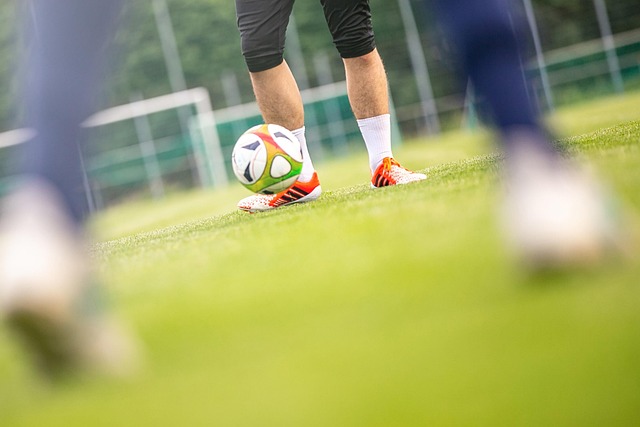
The right type of football boot depends mainly on the surface under your feet. Firm-ground, artificial-grass, soft-ground, turf and indoor boots are built with different soleplates and traction patterns. Choosing the wrong pair can reduce grip, affect comfort and increase the risk of slipping or catching the studs in the ground.
Football boot types by playing surface
Football boots are usually identified by the letters printed on the sole or product description. These letters describe the intended ground conditions rather than a player’s position or skill level.
Firm-ground boots (FG)
Firm-ground boots are the standard choice for natural grass pitches that are relatively dry, stable and not excessively hard. Their soleplates normally use moulded, non-removable studs arranged across the forefoot and heel. The studs may be conical, bladed or a combination of both.
FG boots provide a balance between forward traction, turning ability and release from the surface. They are suitable for many full-size grass pitches, but they are not designed for frozen ground, very muddy fields or most artificial-turf surfaces. Wearing them on hard ground can make the boots feel uncomfortable and may cause the studs to press sharply into the foot.
Soft-ground boots (SG)
Soft-ground football boots are designed for wet, muddy or heavily softened natural grass. They commonly have fewer studs than firm-ground boots, with longer screw-in metal or hybrid studs that can penetrate deeper into the surface. Many models allow the studs to be changed to match the conditions.
The main advantage of SG boots is deeper traction when a normal moulded sole would struggle to grip. The trade-off is reduced suitability on firm pitches. Long or metal studs can feel unstable on hard ground and may be restricted by a league, school or facility. The pitch condition should be checked before use rather than relying only on the weather forecast.
Artificial-ground boots (AG)
Artificial-ground boots are made for modern synthetic pitches, particularly longer-pile artificial grass that resembles a natural football field. Their soles use a greater number of shorter, often hollow or rounded studs. This spreads pressure across more contact points and helps the player release their foot from the surface.
AG boots are generally a safer surface-specific option than FG boots on artificial grass. Long, aggressive FG studs can dig into synthetic turf, increase rotational stress and feel difficult to remove during a turn. However, artificial pitches vary considerably, so the facility’s footwear policy remains the most reliable reference.
Multi-ground boots (MG)
Multi-ground boots are intended to cover more than one type of pitch, usually firm natural grass and selected artificial surfaces. They use numerous moulded studs with a pattern designed to distribute pressure rather than concentrating it in a few long points.
MG boots can be practical for players who regularly move between different fields. Their compromise is that they may not match the traction of a dedicated FG boot on natural grass or an AG boot on synthetic turf. They should be treated as versatile equipment, not as a universal solution for every surface.
Hard-ground boots (HG)
Hard-ground boots are designed for very firm natural pitches, dry compacted fields and some older artificial surfaces. They typically have many short studs, which spread load across the sole and reduce the pressure associated with longer studs.
HG terminology is more common in some markets than others. A boot labelled HG may overlap in practical use with certain MG models, but the exact stud geometry matters more than the label alone. Check the manufacturer’s surface recommendation and inspect whether the sole feels appropriate for the pitch.
Turf shoes (TF)
Turf football shoes use many small rubber nubs rather than conventional football studs. They are designed for short-pile synthetic turf, hard training surfaces and some compact recreational pitches. The closely spaced nubs provide steady contact and are usually more comfortable than long studs on a hard surface.
TF shoes are not a substitute for FG or AG boots on long natural grass. Their shallow tread cannot penetrate wet soil effectively, so they may lack traction when the pitch is soft or muddy.
Indoor football shoes (IC or IN)
Indoor football shoes, often marked IC or IN, have a flat, non-marking rubber outsole. They are intended for wooden sports halls, smooth indoor courts and some concrete or synthetic indoor surfaces. The sole is designed for grip through surface contact rather than penetration.
Using studded boots indoors can damage the floor, reduce stability and violate venue rules. Indoor shoes also differ from turf shoes: TF soles have small rubber lugs, while IC or IN soles are generally flat.
How stud shape and soleplate design affect play
Conical studs
Conical studs are rounded and tend to allow the foot to rotate and release from the ground more easily. They can feel predictable during changes of direction and are common on boots designed for general use.
Bladed studs
Bladed studs use elongated edges to provide directional traction, particularly during acceleration and braking. Their performance depends heavily on the pitch. On firm or unsuitable surfaces, they may feel less forgiving during rotation than rounded studs.
Mixed stud patterns
Many modern boots combine different shapes or lengths. The objective may be to create more traction under the forefoot while keeping the heel and turning areas easier to release. A mixed pattern is not automatically better; the surface compatibility of the entire soleplate remains the deciding factor.
Choosing football boots for different conditions
Start with the surface used most often, then consider how firm, wet or abrasive it is. A player using a natural grass pitch in dry weather will usually look at FG boots. A player training mainly on synthetic grass should compare AG or MG options, while short-pile turf calls for TF shoes. For indoor football, IC or IN footwear is the appropriate category.
Position can influence preferences but does not determine the correct sole. A defender, midfielder or striker can all need the same surface-specific outsole. Weight, upper material, fit and touch may affect personal preference, but they cannot compensate for a soleplate that does not suit the ground.
Common mistakes when selecting football boots
- Using FG boots on every surface: Firm-ground boots are versatile, but their studs are not intended for every artificial, hard or indoor pitch.
- Choosing the longest studs for maximum grip: Longer studs can improve penetration in soft ground, but they may reduce comfort and stability on firm surfaces.
- Confusing turf and artificial-ground footwear: TF shoes suit short-pile turf, whereas AG boots are built for longer artificial grass.
- Ignoring venue rules: Schools, clubs and indoor facilities may prohibit metal studs or require non-marking soles.
- Focusing only on appearance: Stud layout, fit and surface compatibility matter more than colour or the boot’s marketing category.
Care and replacement considerations
After playing, remove mud from the soleplate and let the boots dry naturally away from direct heat. Inspect screw-in studs for wear and check moulded studs for cracks or severe rounding. A worn sole can change traction even when the upper still looks usable.
No football boot type works perfectly on every pitch. The most reliable choice is the one whose soleplate matches the actual surface, local rules and typical weather conditions. If a player uses several surfaces, owning dedicated FG, AG, TF or indoor footwear may offer better comfort and traction than forcing one pair to cover all conditions.