What Is a Blank End in Curling?
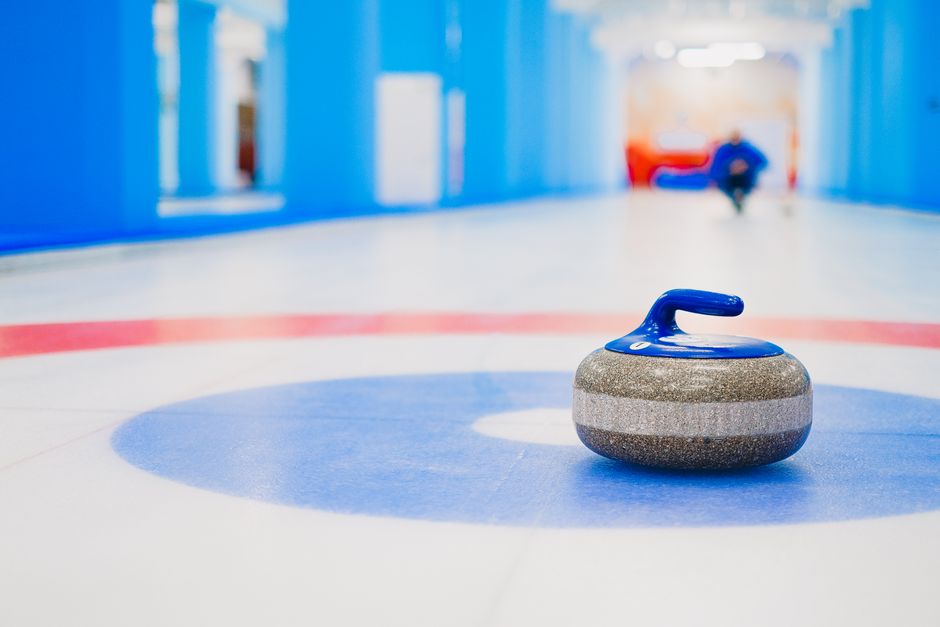
A blank end in curling is an end in which neither team scores. The stones are removed from play without a point being awarded, and the team that already has the hammer usually keeps it for the next end.
How a blank end works
Each team throws eight stones during an end. After all 16 stones have been delivered, the stone closest to the centre of the house normally determines which team scores. If no stone is in the house, the end is scoreless. An end can also be blank when stones are in the house but the team with the hammer deliberately removes them to avoid giving the opponent a point.
The hammer is the final-shot advantage. The team with the hammer throws the last stone of the end, giving it the best chance to score or remove an opposing stone. In a blank end, the hammer generally passes to the next end with the same team. This is why a blank end is often a deliberate tactical choice rather than a failed attempt to score.
Why teams choose to blank an end
The main reason to blank an end is to retain the hammer. A team may prefer to score two or more points later with the last-shot advantage instead of taking a single point now and handing that advantage to its opponent.
For example, suppose a team has the hammer and can score one point, but the opponent has several stones positioned to threaten a steal. If the team can remove every scoring stone and finish with no points for either side, it keeps the hammer. This can create a better scoring opportunity in the following end.
Blanking is especially common late in a close game. A team that is tied or narrowly ahead may value control of the next scoring end more than a small immediate score. The decision depends on the score, the remaining ends, the ice conditions, and how many stones each team has in scoring position.
Blank end versus a stolen end
A blank end is not the same as a stolen end. In a blank end, neither team scores. In a stolen end, the team without the hammer scores at least one point because its opponent fails to score with the final stone.
If the team with the hammer cannot remove the opponent’s closest stone and the opponent has the shot stone, the opponent steals the end. A steal changes the score and transfers the hammer, while a blank end leaves the score unchanged and normally preserves the hammer for the team that had it.
Simple example of a blank end
Team A has the hammer. During the end, both teams place stones near the house, but Team A uses its final shot to remove the last opposing scoring stone. Team A’s own stone also rolls out of the house, leaving no stones in scoring position. The result is a blank end: the score does not change, and Team A keeps the hammer for the next end.
What blank ends mean for the score
A blank end adds no points to either team’s total. It also does not usually count as a completed scoring end for some betting or statistical descriptions, so the exact context matters when reading curling records or match markets.
Several blank ends in a row can make a game appear low-scoring, but they may reflect careful tactical play. Teams are often trying to control when points are scored and who has the final stone, rather than simply placing a stone closest to the button on every end.
Frequently asked questions
Does a blank end change the score?
No. Both teams receive zero points.
Who gets the hammer after a blank end?
In standard curling play, the team that had the hammer keeps it for the next end.
Can a team blank an end on purpose?
Yes. A team with the hammer may remove all scoring stones to preserve the last-shot advantage.
Is a blank end good or bad?
It depends on the situation. Keeping the hammer can be valuable, but deliberately blanking may be unhelpful if a team urgently needs points or has few ends left to play.