
Safety Rules in Football: Protecting Players Before, During and After Matches
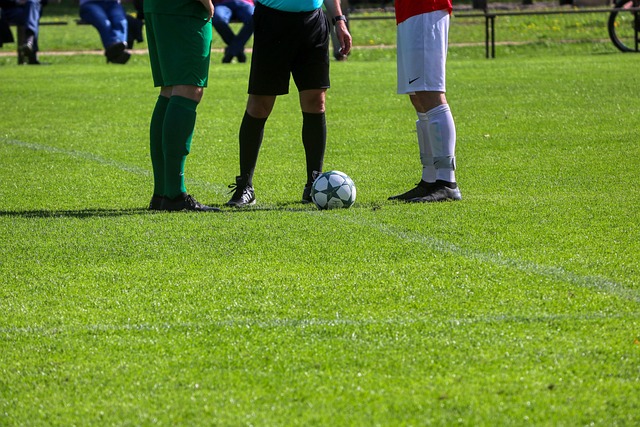
Safety rules in football are designed to reduce preventable injuries while preserving the character of the game. In this article, “football” means association football, commonly called soccer. The Laws of the Game set the international framework, while competitions, schools and national associations may add stricter requirements for medical care, children’s football, facilities and extreme weather.
What the Laws of the Game say about safe play
The referee is responsible for enforcing the Laws of the Game and stopping play when a serious injury or dangerous situation occurs. A challenge is not automatically illegal because contact happens. The relevant questions include whether the player acted carelessly, recklessly or with excessive force, whether the ball could reasonably be played, and whether the action endangered an opponent.
Careless, reckless and dangerous challenges
A careless challenge may result in a foul without disciplinary action. A reckless challenge, in which the player disregards the danger to an opponent, normally requires a caution. A challenge using excessive force or endangering an opponent’s safety can result in a sending-off. These principles apply to tackles, shoulder challenges, elbows, late challenges and attempts to win the ball in the air.
Serious foul play, violent conduct and deliberate striking are treated more severely than ordinary physical contact. Players should keep their studs under control, avoid launching into challenges with excessive speed, and never use an opponent’s body as a target. Deliberate contact with the head or neck is especially likely to attract disciplinary action.
Dangerous play and goalkeeper protection
Playing in a way that threatens injury without making physical contact can also be an offence. A high foot close to an opponent’s head, for example, may be dangerous play. Players must also avoid obstructing an opponent in a manner that creates an avoidable risk.
Goalkeepers have no unlimited right to challenge for the ball, but they are vulnerable when diving, jumping or collecting it. Opponents must not charge or challenge a goalkeeper in a careless or reckless manner. Goalkeepers, in turn, must release the ball within the time allowed by the Laws and must not use their hands outside the permitted area.
Required equipment and clothing
Players must wear a shirt, shorts, socks, shin guards and suitable footwear. Team members must have distinguishable colours, and the goalkeeper must be identifiable from the other players and match officials. Jewellery and other items that could injure the wearer or another person must be removed; covering jewellery with tape is not a substitute for removing it under the standard Laws.
Shin guards should be appropriate for the player and securely covered by the socks. Boots should match the playing surface and be checked for damaged studs, sharp edges or loose parts. Artificial surfaces, wet grass and hard ground can change traction, so footwear that is safe on one field may be unsuitable on another.
Protective headgear, face masks, padded clothing and goalkeeper gloves may be permitted when they meet competition requirements and do not create a danger. A referee can require equipment to be corrected before a player enters or returns to the field.
Injury, concussion and medical emergencies
Players should not continue after a significant impact, suspected fracture, severe pain, loss of balance or unusual behaviour. Possible concussion symptoms include confusion, headache, dizziness, nausea, sensitivity to light, memory problems, blurred vision and unusual drowsiness. Symptoms may appear later, so feeling better immediately does not prove that play is safe.
A player with suspected concussion should be removed from play and assessed by a qualified healthcare professional according to the applicable medical protocol. The player should not return simply because a team needs a substitute or because the match is important. Return-to-play decisions should follow local medical guidance, competition rules and a gradual recovery process.
For other injuries, the referee may stop play when the situation is serious. Teams should have a clear emergency plan, access to first-aid equipment and a reliable method of contacting emergency services. Moving an injured player unnecessarily can worsen some injuries; trained medical personnel should decide how the player is treated and transported.
Responsibilities before and during the match
Players and coaches
Players are responsible for honest challenges, respecting instructions from match officials and reporting injuries rather than hiding them. A proper warm-up can prepare the body for sprinting, turning and jumping, although it cannot eliminate injury risk. Players should also manage hydration, replace wet clothing when necessary and avoid playing while ill or significantly fatigued.
Coaches and team staff should check that players have appropriate equipment, know the emergency procedure and understand the competition’s substitution and concussion rules. Youth coaches have an additional duty to consider age, size, skill level and the risks of heading or high-speed contact. Training should not normalise dangerous tackles or pressure injured children to continue.
Referees and match organisers
Before kick-off, the field, goals, corner flags and technical areas should be inspected. The playing surface should be reasonably safe, with holes, exposed sprinkler heads, loose objects and other hazards corrected or isolated. Goalposts must be properly secured; unsecured portable goals can tip and cause severe injuries.
Match organisers should provide suitable changing and medical facilities, a documented emergency action plan and clear communication with teams. They should also account for crowd movement, lighting, weather and the condition of the pitch. The referee may delay, suspend or abandon a match when conditions create an unacceptable risk, including lightning, flooding, extreme heat or poor visibility.
Weather, playing surfaces and environmental risks
Heat increases the risk of dehydration and heat illness, particularly during tournaments, on artificial surfaces and in humid conditions. Organisers may need to schedule breaks, provide accessible fluids, modify kick-off times or suspend activity. Players who develop confusion, faintness, severe weakness, vomiting or loss of coordination require urgent medical attention.
Lightning presents a separate danger because it can strike beyond the area of visible rain. A match should follow the relevant authority’s lightning policy rather than relying on whether thunder seems close. Play should resume only after the required safe interval and after officials have confirmed that conditions are suitable.
Wet or frozen ground can increase slipping, while standing water can hide holes and make ball movement unpredictable. A field may be playable in one area but unsafe in another. Surface inspections should therefore consider the whole pitch, goal areas, touchlines and warm-up zones.
Common misconceptions about football safety
- “The ball was touched first, so the tackle was safe.” Playing the ball does not excuse excessive force or a challenge that endangers an opponent.
- “A player must stay on after a head injury.” Suspected concussion requires caution and medical assessment, not pressure to continue.
- “Protective equipment prevents all injuries.” Shin guards and suitable footwear reduce particular risks but do not make reckless contact safe.
- “Only professional matches need safety procedures.” Grassroots, school and youth football also need secure goals, safe fields, first aid and emergency planning.
- “The referee alone is responsible for safety.” Officials enforce the Laws, but clubs, organisers, coaches, players and medical staff each control important parts of the risk.
Why local competition rules also matter
The international Laws of the Game are a foundation rather than a complete medical or facility manual. A national association, league, school or tournament may set additional rules covering heading in youth football, rolling substitutions, temporary concussion replacements, squad equipment, heat breaks, field dimensions and safeguarding. Teams should check the regulations that apply to their match before arriving.
Safe football depends on combining lawful play with sensible preparation. Controlled challenges, correctly fitted equipment, secure facilities, prompt injury assessment and the authority to stop a match when conditions deteriorate all reduce avoidable danger without removing the contest from the game.