
Richest Football Club Owners in the World: Who Controls the Biggest Fortunes?
The richest football club owners in the world are not all wealthy in the same way. Some are private billionaires, others represent investment companies with assets worth hundreds of billions, while several major clubs are controlled by royal families or member-owned structures.
That makes football ownership rankings difficult to compare. A reported personal net worth is not the same as the value of an investment fund, and a club’s transfer budget does not necessarily reflect the owner’s private fortune. The following names and groups are among the most financially powerful forces in world football, with particular attention to clubs in England.
The wealthiest ownership groups in football
Saudi Arabia’s Public Investment Fund — Newcastle United
Newcastle United’s majority owner is Saudi Arabia’s Public Investment Fund, commonly known as the PIF. The fund acquired an 80% stake in the club in 2021, with the remaining shares held by PCP Capital Partners and RB Sports & Media.
The PIF is one of the world’s largest sovereign wealth funds, with assets measured in the hundreds of billions of dollars. It is therefore more accurate to describe Newcastle as being backed by a state investment vehicle than by a single billionaire owner. The fund’s resources place Newcastle among the clubs with the most financially powerful ownership structures in the Premier League.
Sheikh Mansour — Manchester City
Manchester City is owned by the Abu Dhabi United Group, associated with Sheikh Mansour bin Zayed Al Nahyan. The group took control of the club in 2008 and helped transform Manchester City into a dominant force in English and European football.
Sheikh Mansour’s personal wealth is often mixed with estimates concerning the Al Nahyan ruling family and Abu Dhabi’s wider assets. Those figures are not the same thing. Even so, Manchester City’s ownership is widely regarded as one of the richest and most financially influential in football. The club also sits within City Football Group, a network with teams and commercial interests across several countries.
Qatar Sports Investments — Paris Saint-Germain
Paris Saint-Germain is controlled by Qatar Sports Investments, a state-linked investment organisation chaired by Nasser Al-Khelaifi. QSI bought a controlling stake in the French club in 2011 and has since funded major recruitment, commercial expansion and infrastructure projects.
QSI is not simply the personal bank account of one club owner. Its financial strength is connected to Qatar’s investment network, which is why PSG frequently appears in discussions about the richest football ownership groups rather than lists of individual billionaires.
Red Bull — RB Leipzig and other clubs
Red Bull’s football portfolio includes RB Leipzig, Red Bull Salzburg, New York Red Bulls and other teams. The company’s ownership model differs from that of a traditional private club because it combines sponsorship, investment, recruitment networks and a shared sporting identity.
Red Bull co-founder Dietrich Mateschitz, who died in 2022, was one of the richest figures associated with football ownership. The wider company remains a major financial force in the sport, although it is better understood as a corporate ownership group than as a club controlled by one living individual.
Richest owners of English football clubs
Jim Ratcliffe — Manchester United
British industrialist Jim Ratcliffe, founder of INEOS, became a major shareholder in Manchester United after acquiring a minority stake in 2024. The Glazer family retained overall control at that point, so Ratcliffe should not be described as the club’s sole owner.
Ratcliffe built his fortune through the chemicals and industrial businesses of INEOS. His involvement gives Manchester United access to one of Britain’s wealthiest business figures, but the club’s ownership structure remains shared and commercially complex.
Stan Kroenke — Arsenal
Arsenal is controlled by Kroenke Sports & Entertainment, owned by American businessman Stan Kroenke and his family. The group also has interests in American football, basketball, hockey, lacrosse and other sports properties.
Kroenke is a billionaire whose wealth comes largely from real estate and sports ownership. Arsenal’s position as one of England’s best-supported clubs, combined with the resources of KSE, makes the Kroenke family one of the richest private ownership groups in the Premier League.
Shahid Khan — Fulham
Shahid Khan owns Fulham and is also known for his ownership of the Jacksonville Jaguars in the NFL. He made his fortune in the automotive parts industry after developing Flex-N-Gate into a global manufacturing business.
Khan is one of the clearest examples of a traditional individual billionaire owning an English football club. His wealth is substantial, although Fulham’s spending decisions are still shaped by Premier League financial rules, club revenue and long-term planning.
Wes Edens and Nassef Sawiris — Aston Villa
Aston Villa is controlled by NSWE, a company linked to American investor Wes Edens and Egyptian billionaire Nassef Sawiris. Sawiris is one of Egypt’s wealthiest business figures, while Edens has major interests in finance, private investment and sport.
Their partnership has supported Aston Villa’s return to regular European competition. Because the club is owned by a group rather than one person, estimates of the owners’ combined wealth should not be treated as a single personal net-worth figure.
Evangelos Marinakis — Nottingham Forest
Greek shipping businessman Evangelos Marinakis owns Nottingham Forest and is also associated with Olympiacos in Greece. His fortune was built primarily in commercial shipping, and his football portfolio gives him influence in both English and Greek football.
Marinakis is frequently included among the wealthiest football club owners in Europe. His ownership of multiple clubs also reflects a broader trend in which investors use football networks to develop scouting, recruitment and commercial opportunities across borders.
The Glazer family — Manchester United
The Glazer family acquired Manchester United in 2005 through a leveraged takeover and has remained the club’s controlling shareholder. Their wealth comes from a wider business empire that includes real estate and sports assets in the United States.
Manchester United’s public share listing means that ownership is more complicated than a simple private club purchase. The Glazers control the voting structure, while other investors hold publicly traded shares. This is why reports about Manchester United’s ownership can refer to both the Glazer family and outside shareholders.
Why football owner net-worth rankings can be misleading
There is no official worldwide table of football owner wealth. Media estimates can differ substantially because private businesses, family assets and sovereign funds do not always publish complete financial information.
- Personal wealth: the value of an individual’s businesses, investments and property.
- Family wealth: assets shared across a ruling or business family, which cannot automatically be assigned to one person.
- Sovereign wealth: money managed on behalf of a state rather than owned personally by a club executive.
- Club valuation: the estimated value of the football club itself, including its stadium, brand, players and commercial contracts.
- Available spending: the money a club can legally and practically use after considering revenue, debt, wages and financial regulations.
For that reason, the PIF and QSI may have greater financial capacity than most individual billionaire owners, but it would be misleading to present their fund assets as one person’s net worth.
Which football clubs have no billionaire owner?
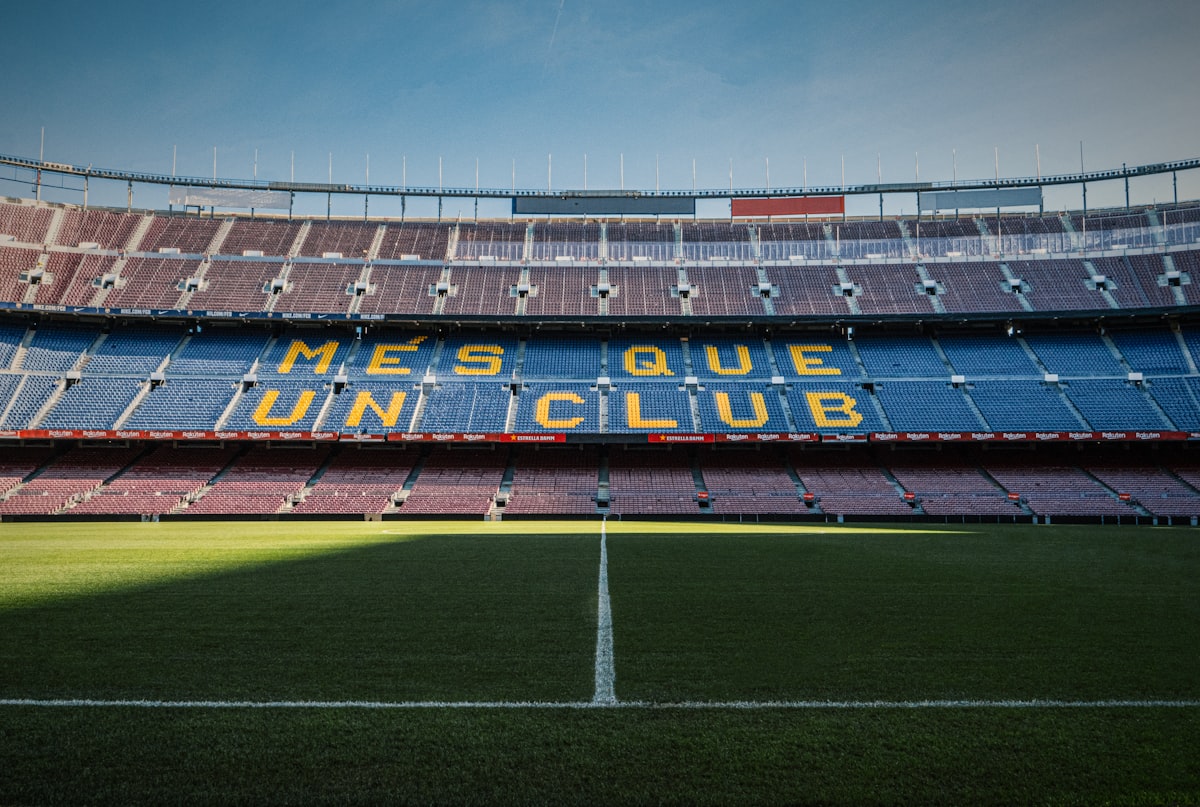
Some of the world’s most successful clubs are not controlled by billionaires. Real Madrid and Barcelona operate through member ownership, meaning supporters with membership rights elect the club president. Bayern Munich also has a distinctive structure involving its members and major commercial shareholders.
These clubs can still generate enormous revenue through broadcasting, sponsorship, matchday income and global support. Their financial power comes from the football business itself rather than from one ultra-wealthy owner funding the organisation.
What makes a wealthy owner successful?
A large fortune can help a club invest in players, training facilities, scouting and commercial growth, but wealth alone does not guarantee trophies. Ownership strategy, sporting leadership, recruitment, coaching and compliance with financial regulations all influence results.
The strongest football ownership models usually combine long-term funding with professional decision-making. That is why comparing the richest football club owners requires more than arranging names by estimated net worth: it also requires looking at how each ownership group uses its resources and how much control it actually has over the club.