
Officials in Football and Their Duties Explained
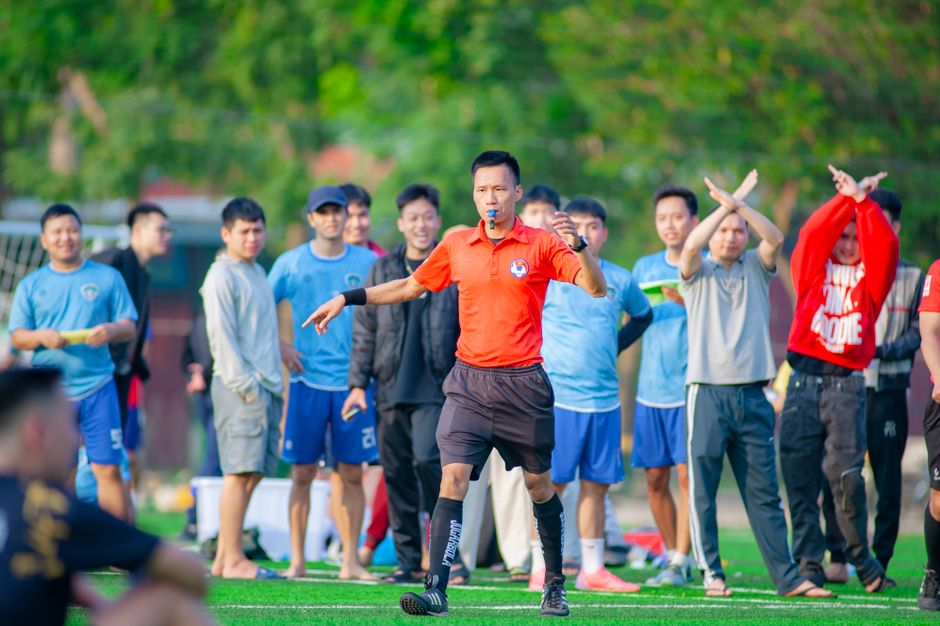
Football officials apply the Laws of the Game, protect player safety and help ensure that a match is played fairly. The referee has the final authority on the field, but modern matches are managed by a wider officiating team that includes assistant referees, a fourth official and, in competitions using video technology, VAR officials.
The main officials in football
Referee
The referee is the lead match official. Their duties include:
- Starting, stopping and restarting the match.
- Enforcing the Laws of the Game.
- Awarding free kicks, penalty kicks, throw-ins, corners and goal kicks.
- Deciding whether a goal has been scored.
- Taking disciplinary action, including yellow and red cards.
- Applying advantage when the team that was fouled can benefit from play continuing.
- Adding time for substitutions, injuries, disciplinary delays, goal celebrations and other stoppages.
- Stopping or suspending the match when conditions, crowd behaviour or player safety require it.
The referee’s decisions on facts connected with play are generally final during the match. The referee may consult the assistant referees and the video match officials, but remains responsible for the final decision on the field.
Assistant referees
Two assistant referees normally work along the touchlines. They use their flags and communication equipment to support the referee. Their responsibilities include:
- Indicating when the whole ball has left the field.
- Identifying which team should receive a throw-in, corner or goal kick.
- Signalling offside offences.
- Helping identify fouls and misconduct that the referee may not have seen clearly.
- Supporting decisions about substitutions and incidents near the goal.
An assistant referee signals information, but does not independently overrule the referee. The referee considers the signal and makes the match decision.
Fourth official
The fourth official works near the technical areas. This official usually manages the administrative duties surrounding the match, including:
- Checking substitution procedures and displaying the added-time or substitution board.
- Monitoring the conduct of substitutes, coaches and other team staff in the technical areas.
- Reporting inappropriate behaviour to the referee.
- Helping control equipment, match balls and other operational matters.
- Replacing the referee or an assistant referee if a member of the officiating team cannot continue, where competition rules permit.
Video match officials and specialist duties
Video Assistant Referee (VAR)
A video assistant referee reviews incidents from the video match centre. VAR intervention is limited to clear and obvious errors, or serious missed incidents, in four main categories:
- Goals and offences leading to a goal.
- Penalty-kick decisions and offences leading to a penalty.
- Direct red-card incidents, excluding most second-yellow-card situations.
- Mistaken identity when the referee sends off or cautions the wrong player.
The VAR checks the incident and communicates with the referee. The referee can accept the information or conduct an on-field review, depending on the type of decision and the competition’s protocol. VAR does not replace the referee or review every foul, throw-in or offside decision.
Assistant Video Assistant Referee (AVAR)
The AVAR supports the VAR by watching live play while another incident is being reviewed, tracking the match situation and helping maintain communication. A video replay team may also include replay operators and other technical staff, although those staff do not make the final on-field decision.
Reserve assistant referee
Some competitions appoint a reserve assistant referee, also called a fifth official in certain settings. This official is available to replace an assistant referee who cannot continue. The exact role and use of additional officials depend on the competition regulations.
What officials do before and after the match
Before kick-off
The officiating team checks the field, goals, nets, match balls, player equipment and technical areas. Officials also confirm player identities, review competition procedures and coordinate their communication signals. The referee meets team captains for the coin toss and confirms which team will kick off and which ends the teams will use.
During the match
Officials work as a coordinated team. The referee watches the main area of play, assistant referees focus on their touchlines and offside positions, and the fourth official monitors the technical areas. Officials communicate using flags, headsets and agreed signals. They must remain neutral and apply the same Laws of the Game to both teams.
After the final whistle
The referee records important match events, such as goals, substitutions, cautions, send-offs, serious misconduct and unusual incidents. The officiating team may also complete a match report and cooperate with disciplinary or competition authorities when required.
Common questions about football match officials
How many officials are in a football match?
A standard professional match commonly has a referee, two assistant referees and a fourth official. Competitions using video review add a VAR and an AVAR, with additional replay or technical staff. Staffing can differ in youth, amateur and lower-level matches.
Who has the final decision in football?
The referee has the final decision during the match. Assistant referees and VAR officials provide information within their assigned duties, but the referee authorises the final match decision.
What is the difference between a referee and an assistant referee?
The referee controls the match and makes the final decisions. An assistant referee supports the referee, especially with offside, the ball leaving the field and incidents along the touchlines.
Can a referee change a decision?
A referee can change a decision before play restarts, provided the Laws and match circumstances allow it. After play has restarted, a decision normally cannot be changed except through procedures specifically allowed by the competition, such as a VAR review before the restart.