Who Is the Best Free-Kick Taker in the World?
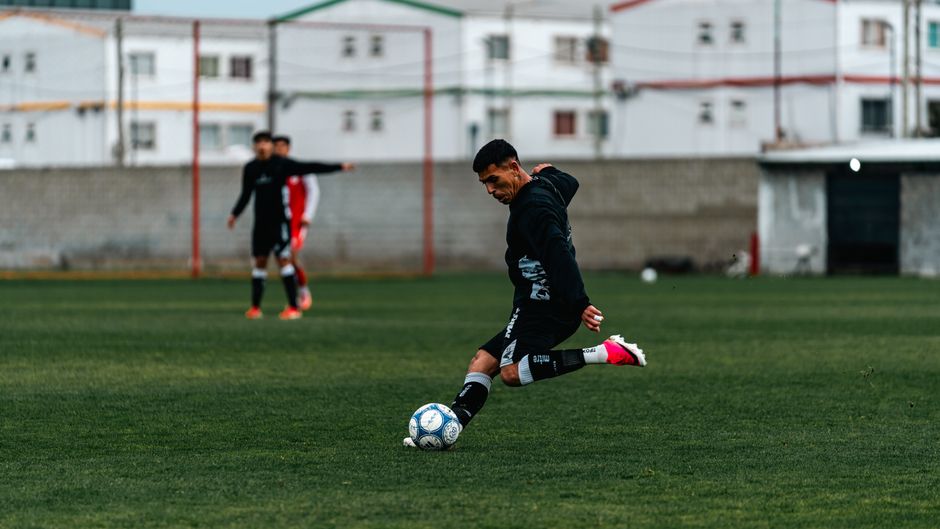
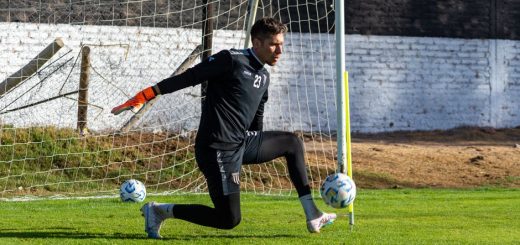
A free kick can turn a quiet match in a single flight of the ball. The best takers do more than strike with power: they disguise their intention, clear the wall, find the goalkeeper’s blind spot and make the ball move late enough to become almost impossible to read.
There is no official award for the world’s best free-kick taker, so the answer depends on the criteria. If technique, consistency, variety and the difficulty of the goals are considered together, Juninho Pernambucano is widely regarded as the greatest free-kick specialist in football history. Among active players, Lionel Messi is one of the strongest candidates.
Why Juninho Pernambucano is the historic benchmark
Juninho’s reputation was built at Lyon, where his free kicks became a defining part of the club’s rise in French football and Europe. He could strike the ball with the outside of his foot, generate extreme dip and make long-range efforts change direction in the air. His technique was not limited to one familiar delivery.
The famous “knuckleball” style associated with Juninho made his free kicks especially difficult for goalkeepers. The ball could travel with little visible spin before swerving or dropping sharply. From distance, the goalkeeper often had to react after the shot had already passed the wall, leaving very little time to adjust.
Juninho also scored from positions where many players would cross rather than shoot. That range matters. A player who can threaten from 20 metres, 30 metres or farther forces the defensive wall and goalkeeper to prepare for several different trajectories.
How Lionel Messi compares with the greatest free-kick takers
Lionel Messi has developed into one of the most reliable direct free-kick scorers of his era. His technique is different from Juninho’s: instead of relying mainly on unpredictable movement, Messi often combines a clean strike with precise curl over or around the wall.
Messi’s biggest advantage is his control of the target area. He can place the ball into the upper corner with a compact run-up and relatively little wasted motion. His free kicks are also difficult to defend because opponents must account for his ability to shoot over the wall, bend around it or pass to a teammate from a disguised set piece.
For a discussion focused only on current players, Messi has a compelling claim to the title of best free-kick taker in the world. His longevity, match-winning goals and repeated success at club and international level separate him from many talented specialists.
Other free-kick specialists who belong in the conversation
James Ward-Prowse is among the leading active dead-ball experts. His delivery is exceptionally consistent, and his record of direct free-kick goals in English football reflects both accuracy and regular opportunity. He is also dangerous when the ball is swung into the penalty area, making him valuable on indirect free kicks.
David Beckham became famous for bending shots around the wall and into the far corner. His technique depended on timing, balance and a clean connection rather than brute force. Beckham’s ability to deliver from wide free-kick positions also made him one of the finest crossers in the sport.
Andrea Pirlo used a measured run-up and exceptional touch to produce free kicks that often cleared the wall by a narrow margin before dropping toward the corner. His calm style made difficult executions look simple.
Sinisa Mihajlovic was one of the most powerful left-footed free-kick takers of his generation. He could score from considerable distance and was a serious threat from both central and wide positions.
What makes a world-class free-kick taker?
Goal totals are useful, but they do not tell the whole story. A serious comparison should consider several aspects of dead-ball technique:
- Placement: the ability to target the corners consistently rather than simply hit the ball hard.
- Ball movement: control of curl, dip, speed and late swerve.
- Range: the capacity to threaten from different distances and angles.
- Variety: the option to shoot, cross or use a short routine without making the decision obvious.
- Pressure performance: goals in important league, cup and international matches carry extra significance.
- Repeatability: sustained excellence over several seasons is more convincing than a brief run of spectacular strikes.
The wall, goalkeeper positioning and match situation also affect the difficulty of a free kick. A shot from the centre of the goal with a clear angle is not the same challenge as an effort from a tight position, a long distance or a crowded late-game situation.
The verdict: who is the best?
Juninho Pernambucano is the strongest choice for the best free-kick taker in football history because he combined range, power, dip, swerve and unusual technical variety. His influence can be seen in the way later specialists learned to strike the ball with minimal spin.
If the question is limited to players still active, Lionel Messi is the leading answer for many observers. Ward-Prowse remains one of the most technically consistent specialists, while players such as Beckham, Pirlo and Mihajlovic deserve recognition for shaping the modern art of the direct free kick.
The debate will continue because free-kick greatness is partly statistical and partly visual. Some players win through volume and reliability; others are remembered for impossible angles, decisive goals and shots that seemed to change direction after the goalkeeper had committed.