
What Is a Tackle in Football? Meaning, Types and Fouls Explained
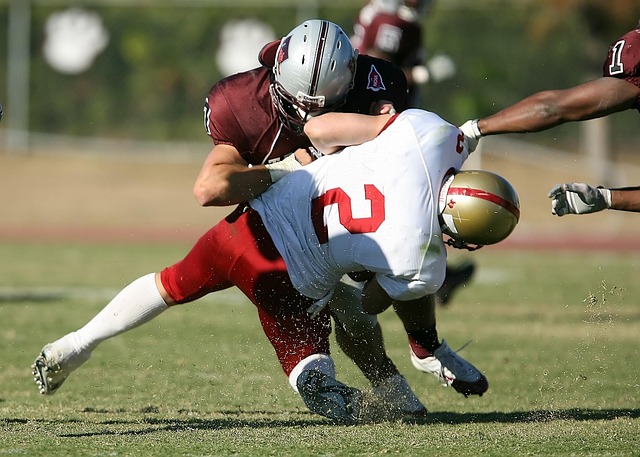
A well-timed tackle can stop a dangerous attack without breaking the rhythm of a match. In association football, a tackle is an attempt by a player to take the ball away from an opponent, usually by using a foot while staying within the laws of the game.
The best tackles are controlled, accurate and aimed at the ball. A challenge that catches the opponent instead of the ball may be penalised as a foul, even if the defender had good intentions.
What does tackle mean in football?
A tackle in football is a challenge made to dispossess an opposing player. The defender may approach from the front, side or behind and use a foot to touch the ball away. A successful tackle either gives possession to the defender or puts the ball beyond the opponent’s control.
The word can describe several situations. A player might make a standing tackle while remaining on their feet, a sliding tackle by going to ground, or a recovery tackle after being beaten by an attacker. In each case, the main aim is to win or disrupt possession without committing an offence.
Football statistics often record tackles won, tackles attempted and successful challenges. These numbers can help describe a defender’s activity, but they do not show everything. A player who reads the game well may prevent attacks through positioning and interceptions, without needing to make many tackles.
Different types of football tackle
Standing tackle
A standing tackle is made while the defender stays upright. The player moves alongside or in front of the attacker, times a touch on the ball and uses their body to protect the space. This is often the safest form of challenge because the defender can adjust their movement if the ball changes direction.
Sliding tackle
A sliding tackle involves going to the ground to reach the ball. It can be useful when an attacker is about to escape or when a defender needs to block a cross or shot. However, sliding challenges require precise timing. A tackle that arrives late, uses excessive force or makes dangerous contact can lead to a free kick, yellow card or red card.
Recovery tackle
A recovery tackle happens when a defender catches an attacker after initially losing the duel. Speed, balance and awareness are essential because the defender is often moving at an angle and has little room for error. A clean recovery tackle can prevent a one-on-one chance, while a mistimed one may concede a penalty.
Block tackle
In a block tackle, two players challenge for the ball at almost the same time. The defender tries to meet the ball firmly and win the contest with a controlled touch. Keeping the foot low and watching the ball helps reduce the risk of dangerous contact.
When is a tackle legal?
A tackle is generally legal when the player plays the ball fairly and does not use careless, reckless or excessive force. The referee considers the speed of the challenge, the direction of the movement, the point of contact and the amount of danger created.
Contact alone does not automatically make a tackle a foul. Football is a physical sport, and players can come together during a fair challenge. The problem arises when the defender trips, kicks, pushes, jumps into or charges an opponent unlawfully, or makes contact before playing the ball in a way that creates an offence.
- Careless challenge: a foul may be given, but disciplinary action is not usually required.
- Reckless challenge: the player has ignored the danger or consequences, which normally warrants a yellow card.
- Challenge using excessive force: the player risks the opponent’s safety and may receive a red card.
Why some tackles result in cards or penalties
The location of contact matters. A tackle inside the defender’s own penalty area can result in a penalty kick if it is judged to be a foul. Outside the penalty area, the usual restart is a direct free kick.
A referee may show a yellow card for stopping a promising attack, persistent fouling, delaying the restart or making a reckless tackle. A red card can follow a serious foul play incident, especially when a player uses excessive force or endangers an opponent. Denying an obvious goal-scoring opportunity can also bring a sending-off, although the exact sanction depends on the circumstances and whether the defender attempted to play the ball.
Video assistant referees may review serious incidents, penalty decisions and possible red-card offences in competitions that use VAR. The on-field referee still makes the final decision after applying the laws of the game.
How defenders make a better tackle
Good tackling begins before the challenge itself. Defenders try to slow the attacker, show them away from dangerous areas and wait for a poor touch. Lunging from too far away often allows the attacker to evade the challenge or leaves the defender exposed.
Timing is usually more valuable than force. The defender should watch the ball rather than simply following the player’s body feints, keep a balanced stance and make the first touch after winning possession purposeful. In many situations, delaying the attacker until teammates recover is a successful defensive action even if no tackle is made.
After a sliding challenge, players should also consider the risk to opponents and teammates. A raised foot, exposed studs or a tackle from behind can create serious danger. Coaches therefore treat tackling technique, body control and decision-making as parts of defending rather than isolated physical skills.
Tackle, interception and clearance: what is the difference?
These defensive actions are related but not identical. A tackle challenges a player who has or is about to receive the ball. An interception cuts out a pass before it reaches its intended target. A clearance removes the ball from a dangerous area, often without the defender trying to keep possession.
For example, a centre-back who steps in front of a striker to win a pass makes an interception. If the striker already has the ball and the defender knocks it away with a controlled challenge, that is a tackle. If the defender simply sends a cross over the touchline under pressure, it is a clearance.
The clearest definition is simple: a football tackle is a controlled attempt to dispossess an opponent. Its quality depends on timing, technique and legality, not merely on whether the defender reaches the ball.