Wrestlers Who Died in the Ring: Confirmed Cases and What Happened
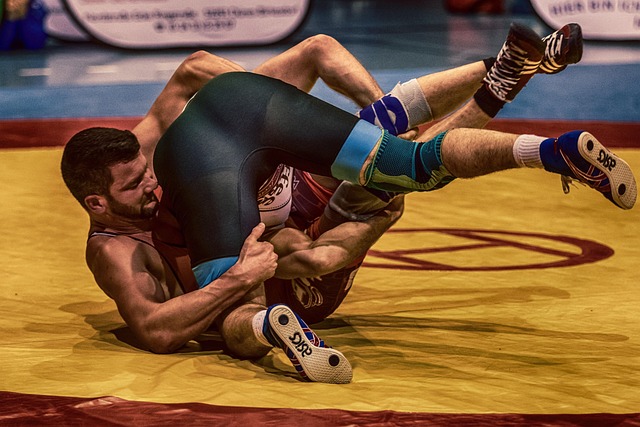
Several professional wrestlers have died during a match or suffered a fatal medical emergency inside the ring. These cases are rare, but they have had a lasting effect on wrestling safety, ringside medical care and the way promotions respond to serious injuries.
The phrase “wrestlers who died in the ring” can describe two different situations: a performer who died during a bout and one who collapsed during a match but died later from the injury or medical emergency. The distinction matters because some widely cited examples did not die immediately at the venue.
Wrestlers who died during a match
Mitsuharu Misawa
Japanese wrestling star Mitsuharu Misawa died on June 13, 2009, after suffering a severe cervical injury during a match for Pro Wrestling NOAH. He was performing in Hiroshima when a suplex caused him to land heavily. Misawa became unresponsive in the ring and could not be revived. He was 46.
Misawa’s death raised serious concerns about the physical toll of repeated high-impact moves, especially for veteran wrestlers with long careers and accumulated injuries.
Gary Albright
Gary Albright collapsed during a match in Hazelton, Pennsylvania, in January 2000. The former amateur wrestling standout and professional wrestler suffered a fatal heart attack while performing. Ringside staff attempted to provide emergency assistance, but he died at age 36.
Silver King
Mexican wrestler Silver King, whose real name was César González, suffered a heart attack during a match in London in May 2019. He collapsed in the ring during a performance and died at age 51. The incident occurred during a tribute event connected with the film Nacho Libre, in which he had appeared.
Perro Aguayo Jr.
Perro Aguayo Jr. suffered a serious cervical spine injury during a tag-team match in Tijuana in March 2015. He appeared to lose consciousness in the ring after taking a kick and being struck near the ropes. He was taken to hospital and was later pronounced dead at age 35.
Because Aguayo died after leaving the venue rather than immediately inside the ring, his case is more precisely described as a fatal injury sustained during a wrestling match.
Other fatal incidents connected to the wrestling ring
Plum Mariko
Japanese wrestler Plum Mariko collapsed after taking a clothesline during a match in August 1997. She was hospitalized with a brain injury and died the following day at age 29. Her death is often included in lists of wrestlers who died in the ring, although the medical cause occurred after the event.
Oro
Mexican wrestler Oro collapsed during a match in Mexico City in October 1993. He was taken for medical care and died soon afterward. Reports at the time described a serious medical emergency, but details surrounding the exact cause have been inconsistently reported.
Oro’s case illustrates why older reports about wrestling deaths should be treated carefully. Contemporary coverage may differ on whether a performer died at the venue, in transit or after reaching hospital.
Famous wrestling deaths that did not happen in the ring
Some names regularly appear in searches for wrestlers who died in the ring even though their deaths happened elsewhere. Owen Hart died in 1999 after falling from the arena rafters during an entrance stunt at a World Wrestling Federation event. He did not die from an injury sustained during a wrestling match.
Other performers died after training accidents, illnesses or injuries suffered outside a live bout. Including every wrestling-related death in the same list can create a misleading impression, so the circumstances should be checked individually.
How wrestling promotions respond to a serious in-ring emergency
A performer who stops responding during a match should be treated as a medical emergency, not as part of the show. The referee, ringside officials and medical personnel must assess breathing, consciousness and possible spinal injuries while avoiding unnecessary movement.
Modern wrestling events commonly use trained medical staff, ambulances or emergency transport plans, and procedures for stopping a match. High-risk incidents have also encouraged greater attention to concussion symptoms, cardiovascular screening, safe landing techniques and the long-term effects of repeated neck and head trauma.
Despite improved protocols, professional wrestling remains physically demanding. The athletes perform choreographed contests, but falls, impacts and medical emergencies can still produce genuine injuries. Accurate reporting should separate confirmed facts from speculation and avoid presenting a tragic death as entertainment.