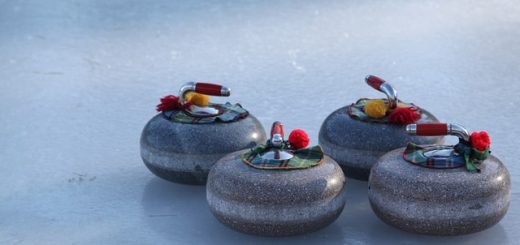
What Is a Power Play in Curling? Mixed Doubles Rules Explained
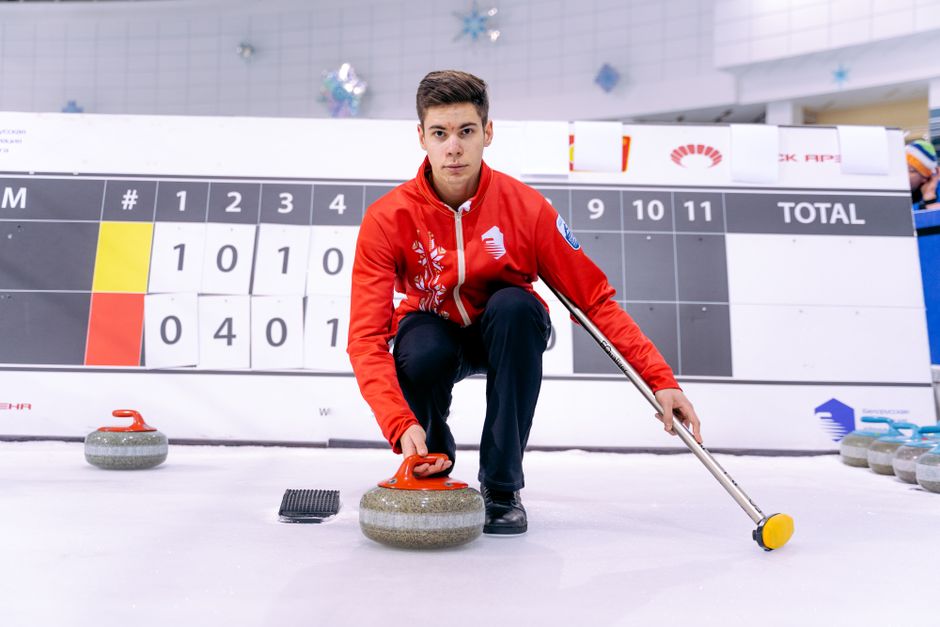
In curling, a power play is a special tactical option used in mixed doubles. It changes the starting position of the two stones that are placed on the sheet before an end begins. Instead of sitting on the centre line, the stones are moved to one side of the playing area.
The change is designed to make the end more open. That can give the team with the hammer—the last stone of the end—more room to use draw-weight shots and build a scoring opportunity without immediately facing a crowded centre.
How the curling power play works
Mixed doubles curling begins each end with two stones already in play. One is positioned in the house and the other is placed in front of the house as a guard. Under the normal setup, both stones are aligned with the centre line.
When a team calls the power play, the pre-positioned stones are shifted to one side of the sheet while keeping their prescribed relationship to the house and guard positions. The exact side is selected by the team using the option. The stones are not removed; the power play changes their location before regular play starts.
The option is available only to the team that has the hammer for that end. Each team can use a power play once during a game, and it is not available in an extra end. The choice is normally made before the pre-positioned stones are placed, so teams must commit to the tactic at the beginning of the end.
Why the power play matters tactically
A normal centre setup encourages play around the middle of the sheet. Stones near the centre line can block direct paths to the button, create guards for later draws and make it easier for the team without the hammer to force a crowded end.
The power-play setup moves that early traffic away from the centre. This leaves a more direct central route and gives the hammer team greater control over whether the end develops as an open or contested exchange. It can be especially useful when the team wants to score multiple points rather than settle for one.
The choice is not automatically better than the standard setup. Moving the stones to the side can reduce the value of a centre guard and give the opposing team useful angles near the house. A precise hit or freeze may turn the side arrangement into an advantage for the team without the hammer. The decision depends on the score, the ice conditions, the teams’ strengths and how many ends remain.
Power play compared with a normal mixed doubles end
| Feature | Normal setup | Power-play setup |
|---|---|---|
| Pre-positioned stones | Placed on the centre line | Moved to one side of the sheet |
| Early playing area | More traffic through the centre | A more open central route |
| Typical tactical aim | Use the centre guard and control access to the button | Create space for an aggressive scoring end |
| Availability | Used automatically | Limited to one use per team and unavailable in an extra end |
The power play does not give a team extra stones, additional throws or a different scoring system. Both teams still deliver the same number of stones under mixed doubles rules, and the team with the hammer still throws the final stone.
When should a team use a power play?
A team may consider the power play when it needs a larger score, when the centre-line setup is likely to produce a defensive end or when its own strengths favour open takeouts and controlled draws. It can also be attractive late in a game if one point is not enough to change the result.
There are reasons to save it. Using the option too early may leave no special tactical response for a later end. If the team already has a comfortable lead, the normal arrangement may be preferable because it avoids giving the opponents an uncomplicated route into the house. A team should also consider whether its lead player can place the opening stones accurately and whether the skip can exploit the available angles.
Common misunderstandings about curling power plays
- It is not a power play like one in ice hockey. No player is removed and no team receives a temporary numerical advantage.
- It is not used in every form of curling. The rule is associated with mixed doubles curling, whose pre-positioned stones and reduced team size create a different tactical structure from traditional four-player curling.
- It does not guarantee a big end. The side placement changes the geometry of the opening position, but shot execution and reading the ice still determine the result.
- It is not available whenever a team wants it. The hammer requirement, one-use limit and extra-end restriction apply to the standard mixed doubles rule.
Frequently asked questions
Who can call the power play in mixed doubles curling?
The team with the hammer for that end can call the power play. The hammer is the last-stone advantage, so the team making the decision also controls the final shot of the end.
How many times can a team use a power play?
Each team can use the power play once during a game. It cannot be saved for or used during an extra end under the standard mixed doubles rules.
Does a power play change the number of stones?
No. It changes the position of the two stones placed before the end, not the number of stones delivered by either team.
Is a power play always the attacking choice?
Usually it signals an intention to create a more open scoring opportunity, but it is not automatically aggressive or beneficial. The side setup can produce useful angles for either team, so the decision is a tactical trade-off rather than a guaranteed offensive advantage.