
Least Hottest Sport: Which Sports Feel the Coolest?
The phrase “least hottest sport” can mean two different things: the sport that makes an athlete feel least overheated, or the sport that attracts the least public attention. For temperature and comfort, the best choices are usually played on ice, in water, indoors, or at a relatively low intensity.
Which sports are least hot to play?
Curling is one of the clearest answers if the question is about a cool playing environment. Ice rinks are cold, athletes wear layers rather than lightweight summer clothing, and the sport includes periods of standing and controlled movement. Sweeping can still be strenuous, but the surrounding air reduces heat stress.
Swimming also tends to feel cooler because water carries heat away from the body more efficiently than air. The workout itself can be demanding, especially during competitive swimming, so it is not necessarily the least tiring sport. Its cooling effect comes mainly from the pool rather than low effort.
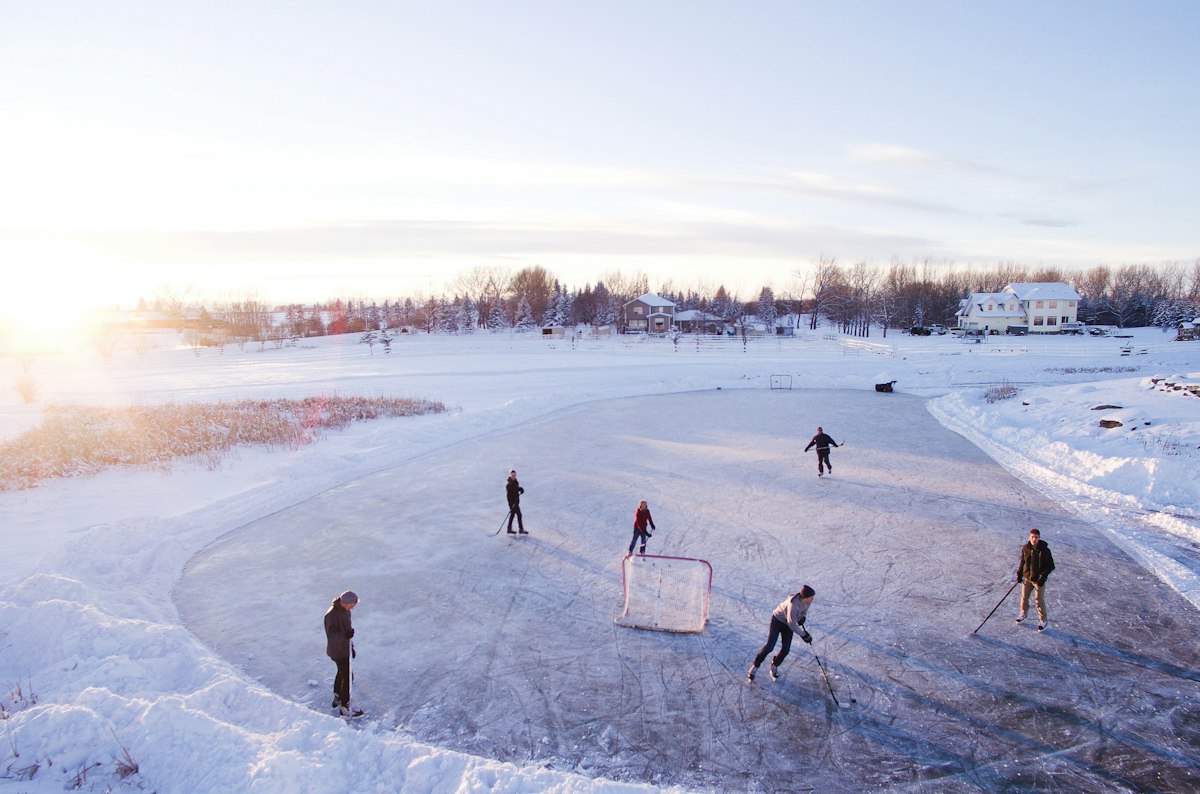
Ice hockey is played in a cold venue, but it should not be confused with a low-heat sport. Skating, protective equipment and repeated high-intensity shifts can produce substantial body heat. It may feel cool before and after play while still being physically hot during competition.
For low exertion rather than low ambient temperature, darts, bowling and casual table tennis are stronger candidates. They are usually played indoors, involve shorter bursts of movement and allow players to recover between attempts. A crowded or poorly ventilated venue can still feel warm.
How to compare sports by heat and comfort
| Sport | Why it may feel cool | What can make it hot |
|---|---|---|
| Curling | Cold ice rink and moderate movement | Heavy layers and repeated sweeping |
| Swimming | Cool water removes body heat | Hard training and warm pool water |
| Ice hockey | Cold rink | Fast skating and protective equipment |
| Darts | Low physical intensity | Indoor crowds and limited ventilation |
| Bowling | Short movement bursts indoors | Warm clothing and a crowded alley |
| Golf | Usually lower intensity than running sports | Direct sun, long walking and humid weather |
The most useful comparison depends on what causes discomfort. Someone trying to avoid direct sunlight may prefer an indoor sport such as darts or bowling. Someone who wants a cool venue may prefer curling or swimming. Someone looking for the lowest exercise heat production may choose a precision sport rather than an endurance or field sport.
Does low intensity always mean a cooler sport?
No. Venue conditions often matter more than the sport’s name. A low-intensity game in a crowded hall can feel hotter than a brisk outdoor activity on a cool, windy day. Humidity, ventilation, clothing, protective equipment and breaks all affect how quickly the body warms up.
Golf is a useful example. It may involve less intense movement than football or basketball, but several hours in direct sunlight can create greater heat exposure. Conversely, an indoor darts match involves little exertion, yet a packed pub or tournament hall may be uncomfortable.
People who are sensitive to heat should also consider hydration, access to shade or cooling, and how easily they can take breaks. Medical conditions, medication and fitness level can change heat tolerance, so a sport that feels comfortable for one person may not suit another.
What is the best answer to “least hottest sport”?
If “least hot” means the coolest environment, curling is a strong answer, with swimming also offering effective cooling. If it means the least body heat generated through exercise, darts or bowling are more suitable. If it means the least heat exposure outdoors, an indoor sport is usually the safer choice.
There is no universal ranking because a sport’s temperature depends on the venue, season and style of play. Checking the facility’s ventilation, pool temperature, rink conditions and clothing requirements gives a more reliable answer than comparing sport names alone.
Common questions about the coolest sports
What is the least hot sport to play indoors?
Darts is often among the least physically hot indoor sports because it involves limited movement. Curling can feel cooler overall, but sweeping creates short periods of hard effort.
Is swimming the coolest sport?
Swimming often feels cool because the water removes heat from the body. Competitive swimming remains intense, so it can still produce significant fatigue and body heat.
Which sport is best in hot weather?
Indoor sports with reliable ventilation or water-based activities are generally easier to manage than long outdoor events in direct sun. The schedule, hydration access and local humidity still matter.