What Are Recreational Activities? Meaning, Examples and Benefits
Recreational activities are voluntary activities people do during their free time for enjoyment, relaxation, social interaction, fitness or personal development. They are not usually required for work, school or basic daily responsibilities.
Recreation can take place indoors or outdoors, alone or with other people, and at many different skill levels. Playing football with friends, reading a book, swimming, gardening and hiking are all examples of recreational activities.
Examples of recreational activities
Recreational pursuits cover a wide range of interests. The best choice depends on a person’s age, abilities, budget, location and preferences.
- Sports and physical activities: football, basketball, volleyball, tennis, cycling, swimming, jogging and recreational dancing.
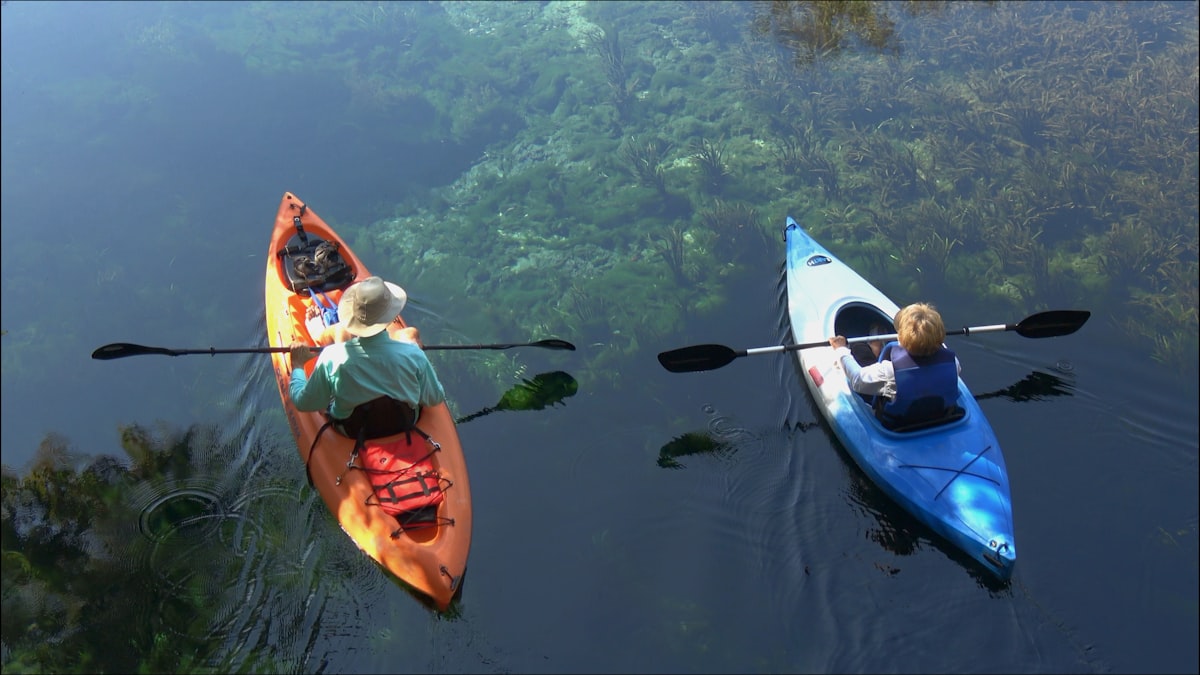
- Outdoor recreation: hiking, camping, fishing, kayaking, nature walks, birdwatching and gardening.
- Creative hobbies: drawing, painting, photography, crafts, playing music, cooking and writing.
- Social activities: visiting friends, joining a community club, board games, group exercise and recreational events.
- Quiet leisure activities: reading, listening to music, watching films, puzzles, meditation and casual gaming.
- Travel and cultural activities: sightseeing, visiting museums, attending concerts and exploring local attractions.
Some activities fit more than one category. For example, a group bike ride provides exercise, outdoor time and social connection, while a dance class combines physical movement with music and creativity.
Why recreational activities are important
Regular recreation can support physical and mental wellbeing. Active hobbies may improve cardiovascular fitness, strength, balance and coordination. Less strenuous activities can help the body and mind recover from work or study.
Recreational time also gives people opportunities to manage stress, express creativity and maintain relationships. Team sports and group hobbies can build communication skills and a sense of belonging. Individual pursuits, such as reading or photography, may provide concentration, independence and personal satisfaction.
The benefits depend on the activity and how often it is practiced. A recreational activity does not have to be competitive or physically demanding to be valuable.
Recreational activities for different settings
People can find suitable leisure activities almost anywhere. At home, common options include cooking, stretching, reading, music, crafts and online classes. In a park or open space, people may walk, run, play games, cycle or practice outdoor fitness.
Community centres, sports clubs and schools often provide organised recreation, including swimming sessions, team sports, dance classes and arts programmes. Travellers may choose sightseeing, local sports, nature excursions or cultural events.
How to choose a recreational activity
Start with an activity that matches your interests and available time. Someone who enjoys competition may prefer a team sport, while a person seeking quiet relaxation might choose gardening, reading or drawing. People who want more daily movement can begin with walking, cycling, swimming or beginner-friendly exercise.
Consider the equipment, cost, location and level of supervision required. Beginners should learn the basic rules and techniques, use suitable equipment and increase intensity gradually. For outdoor recreation, check weather conditions, tell someone about your plans when appropriate and follow local safety guidance.
The most useful recreational activity is one that is enjoyable enough to do regularly and fits comfortably into everyday life.