Winger in Football: Position, Roles and Responsibilities Explained
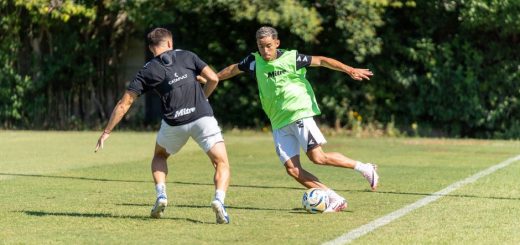
A winger in football is an attacking player who operates mainly on the left or right side of the pitch. Wingers aim to create space, beat defenders, deliver crosses, make runs into the penalty area and help their team progress the ball. The position can be played by a traditional wide midfielder, an attacking wide forward or an inverted winger who moves inside from the flank.
What does a winger do in football?
The exact role depends on the team’s formation, tactics and the player’s preferred foot. In a traditional system, a winger stays wide to provide width and looks for opportunities to cross. In a modern attacking system, the wide player may start near the touchline but cut inside to shoot, combine with the striker or create room for an overlapping full-back.
- Beat defenders: Wingers use changes of pace, close control and one-on-one dribbling to move past full-backs.
- Create chances: They can cross from deep, play low passes across the penalty area or combine with teammates around the box.
- Score goals: Wide forwards often cut inside and shoot, attack the far post or arrive late in the penalty area.
- Stretch the defence: Staying wide can create gaps between defenders and open central space for midfielders and forwards.
- Press opponents: Wingers may close down opposing full-backs, block passing lanes and trigger pressure after possession is lost.
- Track back: Many wide players support their own full-back and help defend the flank.
Traditional winger and inverted winger
A traditional winger usually plays on the same side as their stronger foot. A right-footed player on the right, for example, can receive the ball near the touchline and cross without taking an extra touch. This type of wide attacker often provides width, reaches the byline and delivers crosses toward the striker.
An inverted winger plays on the opposite side to their stronger foot. A left-footed player on the right can cut inside onto the left foot, combine with central players or take shots from the edge of the box. This movement can also leave space for a right-back to overlap on the outside.
The distinction is not absolute. A winger may switch between wide and central positions during the same attack. Modern football often requires wide attackers to cross, shoot, press and create overloads rather than perform only one fixed task.
Where does a winger play?
Wingers usually play in the wide attacking channels, between the touchline and the central area of the pitch. Their starting position depends on the formation:
- 4-3-3: The left and right wingers support a central striker and often stay high during attacks.
- 4-2-3-1: Wide attacking midfielders provide width while the number 10 operates behind the striker.
- 4-4-2: Wingers often have greater defensive responsibility and may form a flat midfield line.
- 3-4-3: Wide forwards attack from the front line, while wing-backs provide width and defensive cover.
A player described as a wide midfielder may have more defensive duties than a winger. A wide forward, meanwhile, generally starts higher and is expected to contribute more goals. The names can overlap, so the player’s instructions matter more than the label.
Skills needed to play as a winger
Successful wingers combine technical ability with speed, decision-making and tactical awareness. Pace is useful, but it is not the only requirement. A player who changes direction quickly or times runs well can create separation without being the fastest athlete on the pitch.
- Ball control: Clean first touches help a winger receive passes under pressure near the sideline.
- Dribbling: Close control, body feints and changes of direction are essential in one-on-one situations.
- Crossing and passing: Wingers need different deliveries, including early crosses, cutbacks and passes toward the far post.
- Finishing: Wide forwards should be able to shoot after cutting inside or attacking the penalty area.
- Off-ball movement: Diagonal runs, overlaps and movements behind the full-back create opportunities without the ball.
- Decision-making: The player must choose whether to cross, pass, dribble, recycle possession or shoot.
- Defensive work: Tracking runners and pressing intelligently helps the team maintain its shape.
How wingers create space and chances
A winger can influence an attack even without touching the ball. Holding a wide position may force the opposing full-back to move away from the centre, creating a passing lane for a midfielder or striker. A sudden run behind the defence can then open room for a teammate to receive the ball.
Wingers also combine with full-backs in several ways. An overlapping full-back runs outside the winger, while an underlapping full-back moves into a more central channel. The winger may stay wide, cut inside or exchange positions with the full-back to make the defence uncertain.
Near the goal, a winger can cross toward the striker, cut the ball back to a midfielder or attack the far post. The best choice depends on the defensive line, the positions of teammates and the amount of space available.
Winger versus wide midfielder and wing-back
A winger is primarily an attacking wide player, although modern teams often expect defensive contribution. A wide midfielder usually begins deeper and spends more time helping the full-back defend. A wing-back plays in systems with three central defenders and must cover a much larger area, contributing both as a defender and as a source of width in attack.
The same footballer may perform all three roles during a career. The difference comes from starting position, defensive duties, freedom to move forward and the structure of the team around them.
Common questions about wingers in football
Can a winger play on either side?
Yes. Some wingers are comfortable on both flanks, while others are more effective on one side because of their stronger foot or preferred movement. Coaches may switch a winger’s position to target a particular defender or change the team’s attacking angle.
Do wingers have to be fast?
Speed helps with counter-attacks and running behind the defence, but technical quality, timing, balance and awareness are also important. A winger who can control the ball and make good decisions can be effective without exceptional top speed.
Are wingers attackers or midfielders?
They can be either, depending on the formation and tactical instructions. A winger in a 4-3-3 is often a forward, while a player on the flank in a 4-4-2 may be part of the midfield line and have more defensive responsibility.