
What Are the 10 Safety Tips for Swimming?
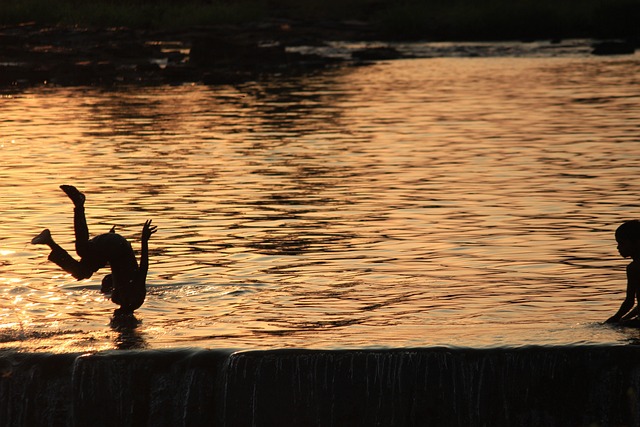
Swimming is safer when everyone understands the water, follows local rules, and avoids preventable risks. These 10 swimming safety tips apply to pools, beaches, lakes, rivers, and other recreational water environments.
10 Essential Swimming Safety Tips
- Learn to swim. Basic swimming and water-survival skills reduce the risk of panic and help a person reach safety. Children and adults who are not confident swimmers should take lessons from a qualified instructor.
- Never swim alone. Use the buddy system so another person can call for help if something goes wrong. In a pool or supervised swimming area, choose a location with a qualified lifeguard and follow the posted rules.
- Supervise children closely. Young children should remain within arm’s reach of a responsible adult, even if they can swim or are wearing a flotation device. Do not rely on older children to provide primary supervision.
- Check the water before entering. Confirm the depth, look for warning signs, and identify hazards such as rocks, strong currents, sudden drop-offs, boats, or submerged objects. Never dive into unfamiliar or shallow water.
- Use an approved life jacket when needed. Wear a properly fitted, approved personal flotation device when boating, fishing, paddling, or swimming in open water where conditions may change. Inflatable toys are not substitutes for life jackets.
- Respect weather and water conditions. Leave the water immediately during lightning, thunderstorms, strong winds, flooding, or dangerous waves. In rivers and the sea, avoid areas with rip currents or fast-moving water unless you have the knowledge and supervision to manage them.
- Avoid alcohol, drugs, and risky distractions. Alcohol and drugs can impair judgment, coordination, and the ability to respond to an emergency. Put phones and other distractions away while supervising swimmers.
- Enter the water slowly when conditions are uncertain. Sudden immersion in very cold water can cause an involuntary gasp and rapid breathing. Enter carefully, allow your body to adjust, and leave the water if you become cold, tired, dizzy, or short of breath.
- Keep pool areas secure. Use barriers, self-closing gates, and appropriate alarms where available. Keep children away from pool drains, covers, pumps, and maintenance equipment, and remove toys that could attract unsupervised children to the water.
- Know how to respond to an emergency. Learn basic first aid, cardiopulmonary resuscitation (CPR), and how to contact local emergency services. If someone is in trouble, alert a lifeguard, call for help, and use a reaching or throwing aid instead of entering the water unless you are trained to perform a rescue.
Swimming Safety Rules for Pools and Open Water
Pool safety usually depends on supervision, controlled access, clear depth markings, and compliance with facility rules. Walk rather than run on wet surfaces, avoid rough play, and never push or hold another swimmer underwater. Follow instructions about diving areas, lane use, and restricted sections.
Open-water swimming requires additional caution. Lakes, rivers, and oceans may contain currents, uneven temperatures, poor visibility, underwater obstacles, and rapidly changing weather. Swim near a designated area, stay within your ability level, use visible equipment where appropriate, and tell someone where you are going.
What to Do if Someone Is Struggling in the Water
A swimmer in trouble may be unable to shout or wave. Look for unusual stillness, difficulty keeping the mouth above water, or ineffective movements. Call a lifeguard or emergency services immediately. From a safe position, extend a pole or branch, or throw a flotation aid. Do not create a second emergency by jumping into unfamiliar water without rescue training.
Once the person is out of the water, check responsiveness and breathing. Follow the instructions of emergency dispatchers and begin CPR if you are trained and it is required. Anyone who has had difficulty breathing after a water incident should receive prompt medical assessment, even if they initially seem well.
Simple Preparation Before Swimming
- Check local water-quality notices and weather warnings.
- Bring drinking water, sun protection, and suitable flotation equipment.
- Tell a trusted person your location and expected return time for open-water trips.
- Make sure children know the boundaries and rules before entering the water.
- Identify the nearest exit, lifeguard station, emergency phone, or first-aid point.
Good swimming safety combines skills, supervision, suitable equipment, and a willingness to leave the water when conditions become unsafe.