Singapore National Stadium: Capacity, Design, Events and Visitor Information
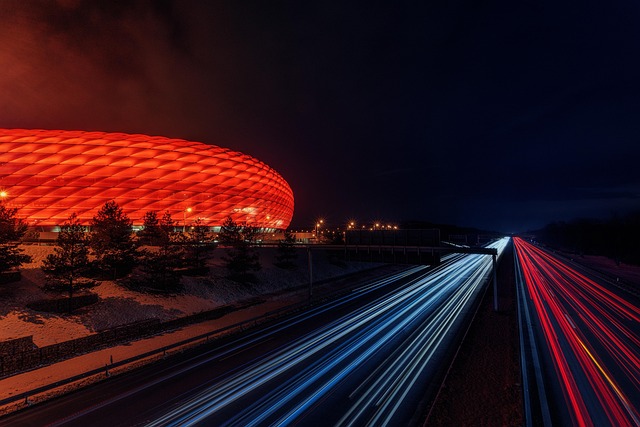
Singapore National Stadium is the centrepiece of the Singapore Sports Hub in Kallang. Opened in 2014, it replaced the former National Stadium and was built as a flexible venue for football, rugby, athletics, concerts and major public events. Its most distinctive features are a retractable roof, movable seating and an oval design intended to support several event layouts.
Where Singapore National Stadium is located
The stadium stands at the Singapore Sports Hub, close to the Kallang Basin and Singapore Indoor Stadium. Its location in central Singapore makes it accessible by public transport, with Stadium MRT station on the Circle Line providing the most direct rail connection. Kallang MRT station and nearby bus services can also be useful depending on the event and the visitor’s starting point.
The wider Sports Hub includes retail, dining, recreation and other sporting facilities. Visitors attending an event should check the organiser’s instructions because entrances, road restrictions, security screening and public-transport arrangements can change for large crowds.
Capacity and seating configuration
Singapore National Stadium can accommodate approximately 55,000 spectators, although the usable capacity may vary by event. The final number depends on the stage position, field layout, production equipment, safety zones and the amount of space reserved for athletes or technical operations.
A central part of the stadium’s design is its retractable seating system. Lower seating sections can be moved to create a larger field area or to adjust the distance between spectators and the playing surface. This helps the venue support different sports rather than being limited to one pitch or track arrangement.
For football and rugby, the seating layout can be brought closer to the field than it would be for an athletics meeting. Concerts use another configuration, often with a stage at one end or on the field. As a result, a seat’s view, walking route and distance from the action depend on the specific event map rather than on the stadium’s permanent layout alone.
Roof, cooling and stadium design
The stadium has a large retractable roof that can cover the seating bowl and playing area. The roof is designed to protect spectators and performers from heavy rain and strong sun, conditions that are particularly relevant in Singapore’s tropical climate. Event operators still determine whether it remains open or closed based on weather, competition requirements and production needs.
The roof’s wide span is supported without the forest of internal columns found in some older large venues. This creates a clearer view across the bowl and allows the field to be used for multiple purposes. The stadium also uses mechanical cooling and ventilation systems to improve comfort in a warm, humid environment, although the experience can differ according to seating location, roof position, crowd size and event production.
The building is recognised for combining a large enclosed volume with a relatively unobstructed interior. That architectural choice brings practical benefits for sightlines and event conversion, but it also requires complex engineering and careful maintenance. A movable roof and movable seating introduce more operating components than a fixed stadium design.
Sports and major events
The venue is suitable for international football, rugby, athletics and other field-based competitions. It has also hosted national-team fixtures, club matches, tournaments and sporting ceremonies. The exact playing surface and dimensions are adjusted according to the sport and event requirements.
Concerts and large entertainment productions form another important part of the stadium’s programme. The covered field provides space for stages, audience areas and technical equipment, while the seating bowl allows organisers to scale the audience according to the production plan. Large ceremonies and cultural events may use still different arrangements.
Because the National Stadium is a multi-purpose venue, the presence of a particular sport or performer is not permanent. Event dates, ticketing, age restrictions, bag policies and gate opening times are controlled by the individual organiser. Official event information is therefore more reliable than general stadium specifications when planning a visit.
What visitors should check before attending
Ticket holders should confirm the stadium entrance printed on the ticket, since a large venue may divide arrivals by stand, ticket category or access requirement. Allowing extra time for transport and security screening is sensible for sold-out matches and concerts. Singapore’s weather can also affect walking routes, queues and the decision to use the retractable roof.
Accessibility arrangements, seating assistance, mobility-device access and companion policies should be confirmed with the event organiser or venue before arrival. Food, drink, cameras and bags may be subject to event-specific restrictions. Visitors should not assume that rules from a previous match or concert will apply to the next event.
Why the stadium matters to Singapore
Singapore National Stadium is more than a football ground. Its adaptable structure allows one site to serve as a national sports venue, concert arena and civic gathering place. The combination of a 55,000-seat bowl, movable seating and a retractable roof gives Singapore a facility capable of hosting events that require very different field sizes and audience arrangements.
Its main limitation is the complexity that comes with this flexibility. Seating plans, capacities, views and access procedures can change significantly from one event to another. Understanding the venue means looking beyond its headline capacity and considering the configuration, roof setting, field use and organiser’s operating plan for the particular occasion.