
Who Is the God of Football? Maradona, Messi and the Meaning Behind the Title
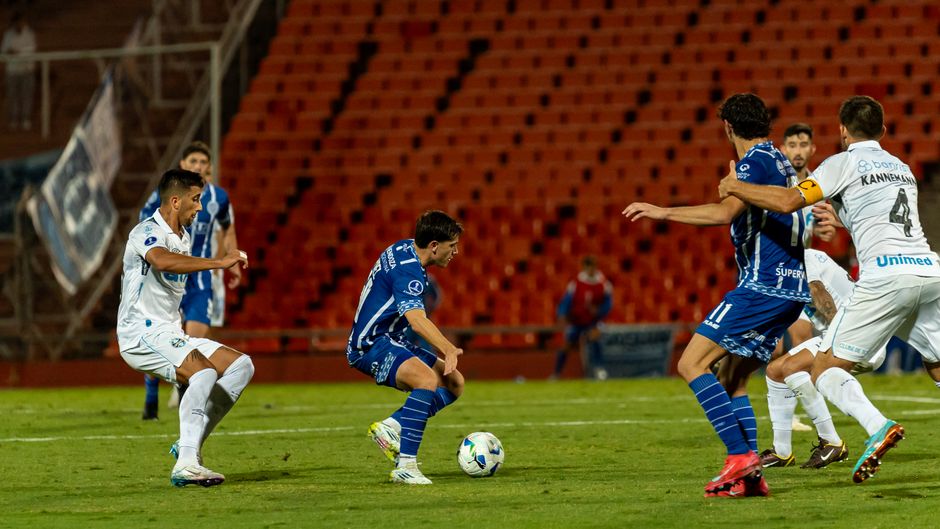
Diego Maradona is the footballer most closely associated with the nickname “the God of Football.” The phrase reflects his extraordinary dribbling, creativity, influence and the almost spiritual admiration he received from supporters, particularly in Argentina and Naples. However, the title is informal rather than an official award, so fans also use it for players such as Lionel Messi and Pelé.
Why Diego Maradona is called the God of Football
Maradona earned the nickname through performances that appeared almost impossible for one player to produce. His low centre of gravity, close control and ability to change direction made him exceptionally difficult to defend. He could carry the ball through several opponents, create chances from nothing and decide major matches with individual moments of brilliance.
His 1986 World Cup campaign is the strongest reason he is described as football’s god. Maradona captained Argentina to the title in Mexico and scored five goals while providing five assists. In the quarter-final against England, he scored both the controversial “Hand of God” goal and the celebrated solo goal often regarded as one of the greatest in World Cup history.
The nickname also became deeply connected with his time at Napoli. Before Maradona arrived, the Italian club had never won Serie A. He led Napoli to league titles in 1987 and 1990, as well as the 1989 UEFA Cup. Supporters treated him as a saviour, and the religious language surrounding his status helped make “God of Football” a lasting description.
Is Lionel Messi also the God of Football?
Many modern fans call Lionel Messi the god of football because of his sustained excellence. Messi combines close dribbling, vision, passing, finishing and unusual consistency. He won the World Cup with Argentina in 2022, collected multiple Ballon d’Or awards and became one of the most productive goalscorers and creators in the sport’s history.
Messi’s supporters often see him as the greatest footballer ever, while Maradona’s supporters emphasise his influence, personality and ability to transform a team. The comparison is not settled by a formal ranking. It depends on whether a fan values longevity and statistical records, or the cultural impact and dramatic peak of a player’s career.
Other footballers associated with the title
Pelé is another frequent answer to the question “Who is the god of football?” He won three World Cups with Brazil and helped make football a global spectacle. His scoring record, athletic ability and success at international level established him as one of the sport’s most revered figures.
Some supporters use the phrase for Cristiano Ronaldo, especially when discussing his goalscoring, athleticism and Champions League achievements. In particular countries or fan communities, legendary players such as Johan Cruyff, Zinedine Zidane or Ronaldinho may also receive similar praise.
Who is the definitive answer?
If the question refers to the player most traditionally linked with the exact nickname, the answer is Diego Maradona. If it means the greatest footballer in history, there is no universally accepted answer. Maradona, Messi and Pelé represent different versions of footballing greatness, and supporters may judge them by different eras, competitions and standards.
The title is therefore best understood as a tribute rather than a measurable honour. Maradona remains the classic “God of Football,” while Messi and Pelé are widely regarded as equally worthy candidates in the broader debate over the greatest football player ever.