
Top 10 Biggest Stadiums in England by Capacity
The biggest stadium in England is Wembley Stadium, with a capacity of 90,000. It is followed by Twickenham Stadium, while several of the country’s largest football grounds are home to Premier League clubs. The exact number of spectators can vary depending on seating arrangements, safety requirements and the type of event.
Top 10 biggest stadiums in England
| Rank | Stadium | Location | Approximate capacity | Main use |
|---|---|---|---|---|
| 1 | Wembley Stadium | London | 90,000 | Football and major events |
| 2 | Twickenham Stadium | London | 82,000 | Rugby union |
| 3 | Old Trafford | Manchester | 74,310 | Football |
| 4 | Tottenham Hotspur Stadium | London | 62,850 | Football and events |
| 5 | London Stadium | London | 62,500 | Football, athletics and events |
| 6 | Anfield | Liverpool | 61,276 | Football |
| 7 | Emirates Stadium | London | 60,704 | Football |
| 8 | Etihad Stadium | Manchester | 53,400 | Football and events |
| 9 | St James’ Park | Newcastle upon Tyne | 52,305 | Football |
| 10 | Stadium of Light | Sunderland | 49,000 | Football |
1. Wembley Stadium — 90,000
Wembley Stadium is the largest stadium in England and the home of the England men’s and women’s national football teams for major fixtures. The London venue also hosts the FA Cup final, England internationals, play-off finals, concerts and other large events.
Its distinctive arch makes Wembley one of the most recognisable sports venues in the world. Although it is primarily associated with football, its event capacity and national role place it well above every other English stadium.
2. Twickenham Stadium — 82,000
Twickenham Stadium is England’s largest rugby stadium and the second-biggest stadium in the country by commonly listed capacity. It is the traditional home of the England rugby union team and regularly stages major international matches.
The stadium is not a regular football ground, but it belongs in a complete ranking of England’s largest sports venues. Its capacity is higher than that of every English football club stadium.
The biggest Premier League and football stadiums
Old Trafford — 74,310
Old Trafford is the largest club football stadium in England by the commonly published capacity of its existing ground. Manchester United’s home has been one of the country’s best-known football venues for more than a century and is often called the Theatre of Dreams.
Tottenham Hotspur Stadium — 62,850
Tottenham Hotspur Stadium is one of the newest large football stadiums in England. It was designed for football but also includes facilities for NFL games, concerts and other major events. Its retractable pitch allows different event formats to be staged at the venue.
London Stadium — 62,500
London Stadium was built for the 2012 Olympic and Paralympic Games and later became the home ground of West Ham United. Its listed capacity can vary by configuration, particularly because the venue also accommodates athletics and concerts.
Anfield — 61,276
Anfield is Liverpool’s home stadium and one of the largest football grounds in England. Expansion of the Anfield Road Stand increased its capacity, putting the stadium among the country’s biggest club venues.
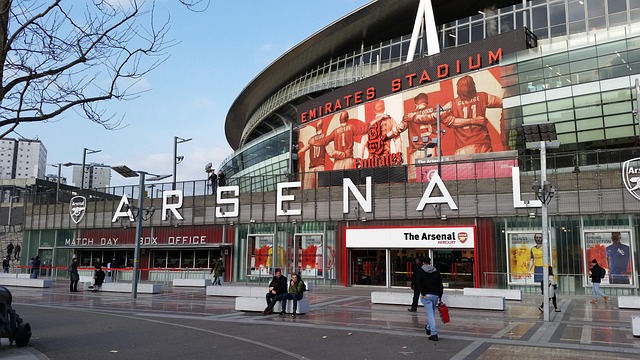
Emirates Stadium — 60,704
Emirates Stadium has been Arsenal’s home since 2006. It is located in north London and has a capacity of more than 60,000 for football matches, making it one of the largest stadiums used regularly by an English club.
Other large stadiums in the top 10
Etihad Stadium — 53,400
The Etihad Stadium is the home of Manchester City. Its capacity has grown through redevelopment, and further plans or changes to event layouts can affect the number of available seats. It remains one of the largest football stadiums in England.
St James’ Park — 52,305
St James’ Park is Newcastle United’s stadium and a prominent landmark in Newcastle upon Tyne. Its steep stands create a distinctive atmosphere, while its capacity places it among the biggest football grounds outside London and Manchester.
Stadium of Light — 49,000
The Stadium of Light is Sunderland’s home ground and one of the largest stadiums in the English football pyramid. It has regularly hosted large league crowds and has also been used for concerts and international football.
How stadium capacity rankings are measured
Stadium capacity is not always a fixed figure. Published numbers may refer to the maximum seated capacity, the usual capacity for league matches or an event-specific limit. Segregation between supporters, restricted views, media areas and safety regulations can reduce the number of tickets available.
The ranking above uses the commonly published capacity of each venue rather than average attendance. That distinction matters: a stadium can have a large maximum capacity but record a lower crowd for a particular match because of ticket demand, competition rules or temporary restrictions.
Which is the biggest football stadium in England?
Wembley Stadium is the biggest football stadium in England, with space for approximately 90,000 spectators. Among permanent club grounds, Old Trafford is the largest by its commonly listed capacity, followed by Tottenham Hotspur Stadium, London Stadium, Anfield and Emirates Stadium.