How to Win at Curling: Strategy, Shot Selection and Team Tactics
To win at curling, a team must do more than throw stones accurately. Success comes from controlling the centre of the house, choosing the right shot for the score, reading the ice and communicating clearly. Strong teams create high-percentage scoring chances while limiting the opponent’s options.
Build the Fundamentals That Decide Matches
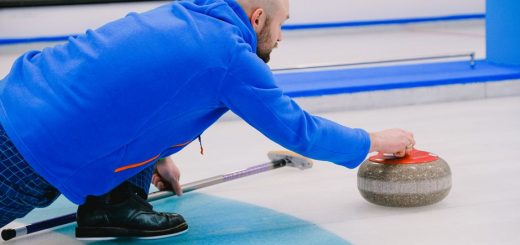
Consistent delivery is the foundation of every curling strategy. The stone should leave the hand at the intended speed, line and rotation. A controlled release gives the skip more predictable movement and makes sweeping decisions easier.
Balance in the hack matters because unnecessary movement can change the stone’s direction. Keep the body stable, release the stone smoothly and finish the delivery in line with the target. Accuracy is usually more valuable than maximum power, particularly on draws and guards.
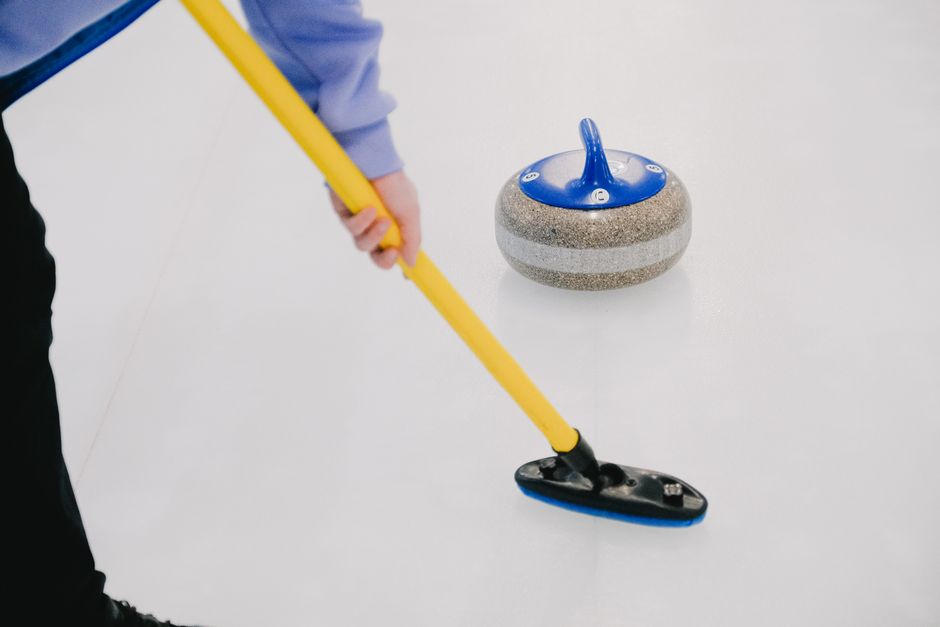
Sweeping also affects whether a shot reaches its target. Sweepers should communicate what they see rather than waiting until the stone is too heavy or too light. They need to judge the stone’s speed, curl and distance, then apply pressure early enough to influence the result. Effective sweeping can hold a line, add distance or reduce the amount of curl.
Choose Shots Based on the Score
Good shot selection begins with the scoreboard, the end and the hammer. The team with the last stone usually wants to create a controlled scoring opportunity, while the team without hammer often tries to force the opponent into a difficult decision or steal a point.
Playing with the hammer
With the hammer, a team normally wants to keep the house open and preserve a draw for two or more points. Early in the end, avoid unnecessary clutter unless a specific tactic creates an advantage. A centre guard can support a later draw, but a poorly placed guard may give the opposition an easy hit-and-roll.
After a team establishes a scoring stone, the next decision is whether to protect it or improve the position. A short guard, a freeze or a raise may be preferable to a risky takeout. The skip should consider how each stone changes the opponent’s best reply.
Playing without the hammer
Without the hammer, the aim is often to create pressure and score at least one point. Placing a centre guard can make the house more difficult to clear and may force the opponent to play a precise draw. However, guards must be close enough to matter without becoming easy targets.
If the opposition has a strong scoring stone, removing it may be the safest choice. If the score demands a steal, a team may need to keep stones in play and accept greater risk. The correct decision depends on the margin, the number of stones remaining and the team’s confidence in the available shot.
Control the Centre and Manage the House
The centre line is strategically important because centre stones can block the path to the button and support several scoring options. A centre guard is useful for building a steal, while a stone behind cover can be difficult to remove.
Open-side stones are easier to hit but can be valuable for setting up runbacks, freezes and angles. Avoid placing stones without a clear purpose. Before every delivery, identify the scoring stone, the main threat and the likely position of the next two stones.
Do not automatically remove every opposing stone. A takeout may open a path for the opponent or remove a useful target that could have been used later. Curling rewards positional discipline: sometimes the best play is a quiet draw that improves your structure rather than a dramatic hit.
Use Communication and Ice Reading
Teams that communicate well make better decisions under pressure. The thrower should confirm the call and intended weight before delivery. Sweepers should give concise information about line and speed, while the skip should make the final tactical decision early enough for the team to execute it.
Ice conditions can change during a game. Brushing, temperature, pebble and play from previous ends may affect how far a stone travels and how much it curls. Watch the path of stones thrown by both teams, especially on similar lines. Keep track of whether the ice is faster or slower than expected instead of relying only on the first end.
Every player should learn the team’s common weight calls, such as draw weight, control weight and takeout weight. Shared terminology reduces hesitation and helps sweepers respond quickly when a shot is slightly heavy or light.
Improve End Management Under Pressure
Strong teams plan the final stones of an end before they arrive. Count the stones in play, identify which ones are currently scoring and consider the opponent’s most dangerous answer. A last-stone decision should be based on the position that produces the best expected result, not simply the most ambitious shot.
Protect a lead by reducing unnecessary risk and forcing the opponent to make precise shots. When trailing, preserve enough stones to create multiple scoring chances rather than taking a low-percentage shot too early. Timeout discussions should be brief and focused on the score, the desired outcome, the target and the acceptable miss.
After each end, review the decision rather than blaming the player who missed. Ask whether the shot call, line, weight or sweeping judgment caused the problem. This approach helps the team correct repeat errors and improves curling tactics over time.
Practise the Shots That Win Games
Practice should reflect match situations. Include draws to the button, guards at different distances, open hits, hit-and-rolls, freezes, raises and runbacks. Rehearse shots with a specific score and number of stones remaining so players learn when each option is appropriate.
Track delivery results during training. Note whether misses are usually short, heavy, narrow or wide. A simple record can reveal technical habits that are difficult to notice during a game. Teams should also practise communication, including calling line early and changing a sweeping decision quickly.
The most reliable way to win at curling is to combine repeatable technique with disciplined tactics. Deliver the stone accurately, choose shots that fit the scoreboard, keep useful control of the centre and make every decision with the next position in mind.