
Types of Hockey: How the Main Forms of the Sport Differ
Hockey is a family of stick-and-ball or stick-and-puck sports played on different surfaces around the world. The best-known versions are ice hockey and field hockey, but the wider hockey family also includes roller hockey, bandy, floorball, street hockey and adaptive forms such as sled hockey.
These sports share basic ideas—players use sticks to move an object into a goal—but their surfaces, equipment, team sizes, playing areas and rules can be very different.
Ice hockey
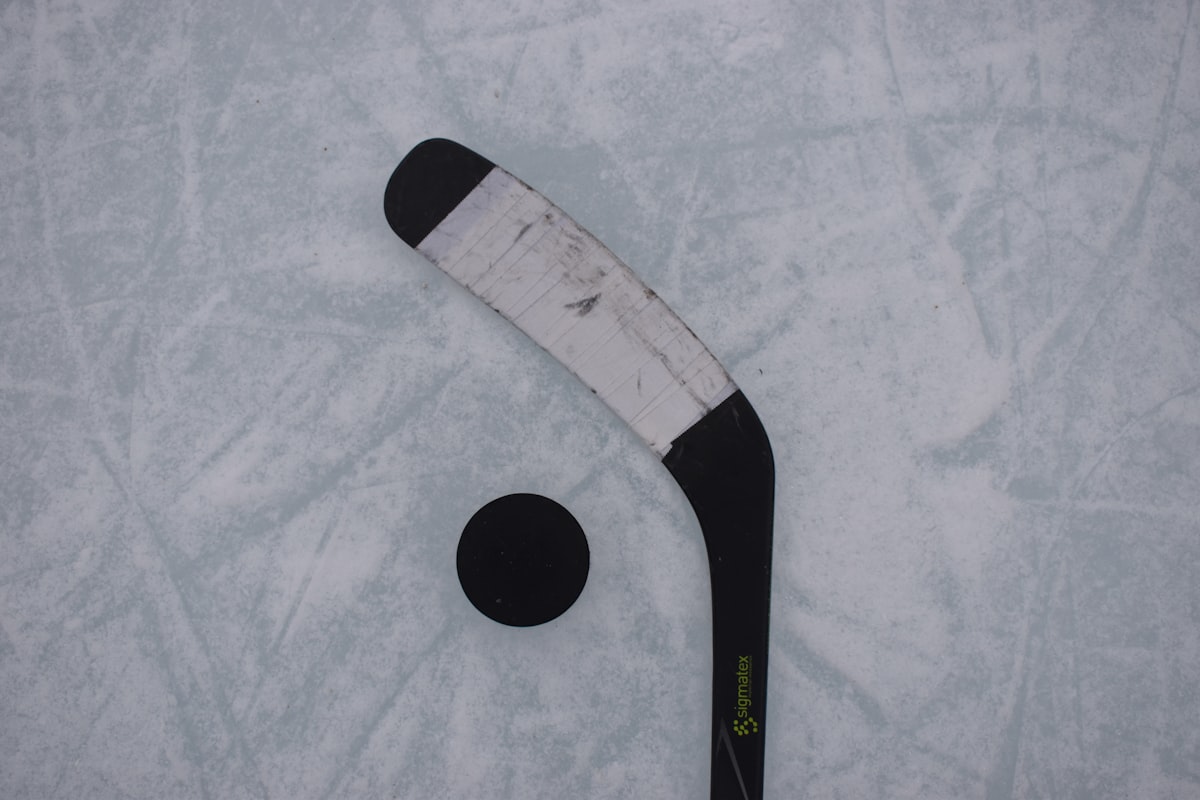
Ice hockey is played on a refrigerated rink with skates, a hard rubber puck and curved sticks. Teams usually have six players on the ice at a time: five skaters and one goaltender. Players can be substituted during play, which makes the sport fast and physically demanding.
The main objective is to shoot the puck past the opposing goaltender. Body checking is allowed in some forms of ice hockey, particularly at higher levels, but rules vary by competition, age group and governing body. Offside, icing, penalties and power plays are central features of the game.
Ice hockey is especially prominent in Canada, the United States, northern Europe and parts of eastern Europe. It is played indoors and outdoors, although regulated competitions generally use indoor rinks.
Field hockey
Field hockey is played on grass or, more commonly at elite level, an artificial turf pitch. Players use a small, solid ball and sticks with a flat side. Unlike ice hockey, field hockey players generally cannot use their feet to control the ball, and only the flat side of the stick may be used to play it.
A standard outdoor team has 11 players, including a goalkeeper. Matches are divided into quarters, and attacking teams try to create scoring chances inside the shooting circle. Penalty corners are a distinctive set-piece situation awarded for certain defensive fouls.
Field hockey has a strong international following, particularly in Europe, Asia, Oceania and Africa. Indoor hockey is a related version played on a smaller court with fewer players and boards that help keep the ball in play.
Roller hockey
Roller hockey replaces ice skates with wheeled skates and is played on a smooth court. There are two major forms: inline hockey and rink hockey.
Inline hockey is played with skates that have wheels arranged in a single line. It uses a puck and resembles ice hockey in its passing, shooting and team structure, but the playing surface and equipment create different movement patterns. Rink hockey, also called quad hockey, uses four-wheel skates and a ball rather than a puck.
Roller hockey can be played in indoor sports halls, making it accessible in places without ice facilities. Rules, team sizes and contact regulations depend on the specific format.
Bandy
Bandy is an ice sport played on a large rink with a small ball rather than a puck. Players wear ice skates and use curved sticks, while each team normally fields 11 players, including a goalkeeper.
The large playing area and team size give bandy a strong connection to association football. Players cover substantial distances, use longer passing sequences and attack large goals. Bandy is traditionally associated with Russia, Sweden, Finland and other countries with cold winters.
Floorball
Floorball is an indoor hockey sport played on a court surrounded by low boards. Players use lightweight plastic sticks and a perforated plastic ball. The ball is lighter than a field hockey ball and easier to handle at speed.
Teams usually have five outfield players and a goalkeeper. Floorball is designed for quick passing, frequent movement and relatively limited physical contact compared with ice hockey. It is popular in Sweden, Finland, the Czech Republic, Switzerland and several other European countries.
Street and ball hockey
Street hockey, also called ball hockey in many settings, is played on asphalt, concrete or another hard surface. Players may use a plastic ball or, in colder conditions, a puck designed for outdoor play. Running shoes replace skates, so the game can be organized almost anywhere with two goals and a suitable surface.
Street hockey often follows ice hockey-style concepts such as passing, shooting, offside and line changes, but local rules are flexible. Some games use smaller teams, no goaltender or simplified equipment. This makes the format common for recreational play and youth development.
Adaptive and specialist hockey formats
Sledge hockey, known internationally as para ice hockey, is an adapted version of ice hockey for players with physical disabilities. Athletes sit on double-blade sledges and use two short sticks: one end helps them move across the ice, while the other end is used to control the puck.
Other specialist formats include underwater hockey, played at the bottom of a swimming pool with short sticks and a weighted puck, and wheelchair hockey, which is adapted for athletes who use wheelchairs. These versions change the playing environment and equipment while preserving the basic challenge of moving an object into a goal.
How the main hockey types compare
| Type | Surface | Object used | Typical team format |
|---|---|---|---|
| Ice hockey | Ice rink | Puck | Six on the ice |
| Field hockey | Grass or artificial turf | Hard ball | 11 players |
| Roller hockey | Smooth court | Puck or ball | Varies by format |
| Bandy | Large ice rink | Ball | 11 players |
| Floorball | Indoor court | Light plastic ball | Five outfield players and a goalkeeper |
| Street hockey | Outdoor hard surface | Plastic ball or outdoor puck | Flexible |
The right type of hockey depends mainly on the available surface, equipment, climate and playing preferences. Ice hockey emphasizes skating and puck control, field hockey relies on running, positioning and stick technique, while floorball and street hockey offer practical alternatives where ice or turf is unavailable.