What Are Swimming Strokes? The Four Main Styles Explained
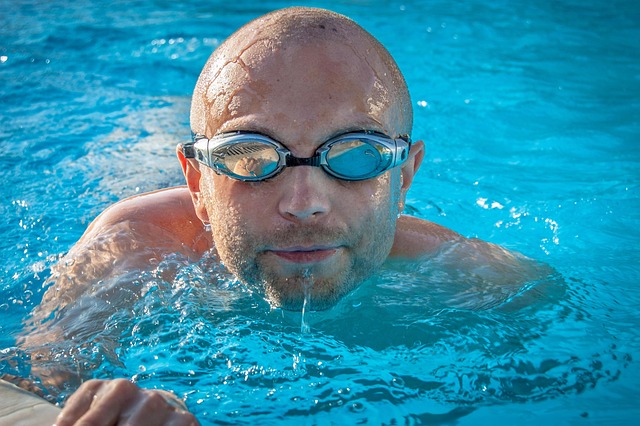
Swimming strokes are specific techniques for moving through water using coordinated arm movements, leg kicks, body position and breathing. The four competitive strokes are freestyle, backstroke, breaststroke and butterfly. Each has a different rhythm, body position and level of technical difficulty.
The term “freestyle” can also describe a race in which swimmers may use any stroke, although nearly every competitive swimmer chooses the front crawl because it is usually the fastest. Outside racing, people also use swimming stroke names to describe efficient ways to exercise, learn water skills or improve endurance.
The four main swimming strokes
Freestyle or front crawl
Freestyle is commonly performed as the front crawl. The swimmer lies face down, alternates the arms through the water and uses a flutter kick. The head turns to the side for breathing rather than lifting straight forward, which helps maintain a streamlined position.
The front crawl is generally the fastest swimming technique and is widely used for lap swimming, freestyle races and open-water swimming. A steady arm recovery, relaxed breathing pattern and compact kick help reduce wasted effort.
Backstroke
Backstroke is performed on the back with alternating arm strokes and a flutter kick. Because the face remains above the water, swimmers can breathe continuously, but they must control their body alignment and direction without looking forward in the usual way.
Good backstroke technique keeps the hips close to the surface. The shoulders rotate as each arm enters the water, while the head stays relatively still. Backstroke is the only one of the four main competitive strokes that starts in the water.
Breaststroke
Breaststroke uses a simultaneous arm pull followed by a frog-style kick. The swimmer pulls the hands toward the chest, breathes as the upper body rises, then extends the arms and legs into a streamlined position.
The breaststroke kick produces much of the forward drive, so timing matters. The arms and legs should not work at the same time: the arms pull, the body rises to breathe, the legs kick, and the swimmer glides before repeating the cycle. Breaststroke is often slower than front crawl but can be comfortable for recreational swimming when performed efficiently.
Butterfly
Butterfly is identified by simultaneous arm recovery, a two-beat dolphin kick and an undulating body motion. Both arms move forward together over the water, while the chest, hips and legs create a wave-like rhythm.
This stroke demands considerable strength, timing and mobility. Swimmers usually breathe by lifting the head forward or turning slightly to one side, but the head should return quickly to a neutral position. A controlled body wave is more effective than forcing the arms or kicking excessively.
How swimming strokes differ
The main differences between swimming styles are the arm pattern, leg action, breathing method and body position. Freestyle and backstroke use alternating arm movements. Breaststroke and butterfly use simultaneous arm actions. Freestyle, backstroke and butterfly rely on a flutter or dolphin-style rhythm, while breaststroke uses a distinctive frog kick.
| Stroke | Body position | Leg action | Common feature |
|---|---|---|---|
| Freestyle | Face down | Flutter kick | Alternating arms and side breathing |
| Backstroke | On the back | Flutter kick | Alternating arms with the face above water |
| Breaststroke | Face down | Frog kick | Simultaneous arm pull and glide |
| Butterfly | Face down | Dolphin kick | Both arms recover together |
Other swimming techniques
Not every useful swimming style is one of the four Olympic strokes. The sidestroke is performed on one side and uses a scissor kick with alternating arm movements. It can be useful for conserving energy or supporting another person in the water.
The elementary backstroke is a relaxed survival stroke that combines a simple arm movement with a frog kick while the swimmer stays on the back. Lifeguards and rescue swimmers may also use specialized techniques designed to keep a person’s face above the surface.
Dog paddle is a basic recreational movement in which the hands and feet paddle beneath the body. It is not a competitive stroke, but it can help new swimmers become comfortable with coordinated movement in shallow, supervised water.
Which swimming stroke should you learn first?
Many beginners start with front crawl fundamentals because the stroke is useful for fitness and develops breathing, balance and body alignment. Others learn a basic backstroke first because breathing is easier with the face out of the water. Breaststroke can also be a practical early choice, although its timing may take practice.
Learning should match the swimmer’s comfort and goals. A qualified instructor can teach floating, kicking, breathing and water safety before adding full stroke coordination. Swimmers should practice in an appropriate depth and avoid attempting butterfly or advanced rescue techniques without instruction.
Why stroke technique matters
Efficient technique allows a swimmer to travel farther with less energy. A streamlined body, relaxed recovery, controlled breathing and well-timed propulsion are usually more valuable than simply moving the arms and legs faster.
Stroke choice also affects training. Freestyle is commonly used for continuous aerobic swimming, backstroke works different postural muscles, breaststroke emphasizes timing and leg drive, and butterfly places greater demands on the shoulders, core and hips. Mixing strokes can add variety, but technique should remain controlled as fatigue increases.