
Street Football: Rules, Skills, Formats and Where the Game Comes Alive
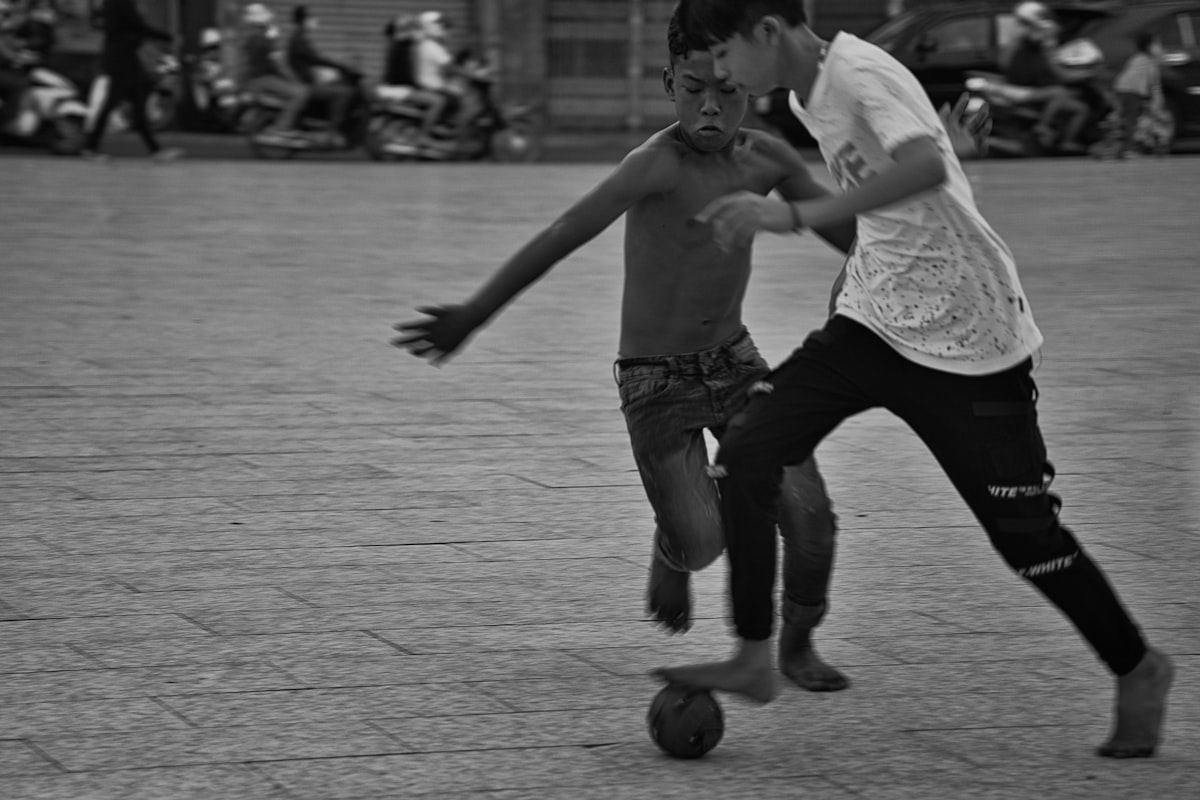
Street football is the informal, small-sided version of football played on local courts, streets, playgrounds and hard-surface pitches. It can be organised with marked goals and fixed rules, or begin with nothing more than a ball, a few players and a clear boundary. The appeal lies in its flexibility: games can adapt to the available space, number of players and local playing culture.
What makes street football different?
Unlike full-size association football, street football usually takes place in a compact area with fewer players. Teams may be two-a-side, three-a-side, five-a-side or another format agreed before kick-off. Smaller teams give every player more touches, while the limited space makes quick decisions, close control and accurate passing especially valuable.
Street football does not have one universal rulebook. Some games use small portable goals, while others require players to score between shoes, cones or painted lines. A goalkeeper may be included, rotated between players or left out entirely. Matches can be timed, decided by a target score or played until the next goal wins.
- Small playing area: Short distances create constant involvement and rapid transitions.
- Flexible team size: Players can form teams around the space and people available.
- Simple equipment: A football, suitable footwear and visible boundaries are often enough.
- Local rules: Touches, kick-ins, goalkeepers and physical contact may vary from one court to another.
Common street football formats and rules
A basic street football match can use two teams of three or four players, with substitutes rotating whenever a player needs a break. Before starting, agree on the pitch boundaries, scoring system, restart method and whether slide tackles are allowed. Clear rules prevent disagreements and keep a casual game moving.
Many small-sided games restart with a pass or kick-in from the edge rather than a traditional throw-in. Some groups require a team to make a certain number of passes before shooting, while others allow immediate attacks. If the pitch has walls or barriers, the ball may stay in play after rebounding. On an open surface, the ball normally goes out as soon as it crosses the agreed line.
Popular variations include three-a-side football, five-a-side street football, one-touch games, nutmeg competitions and winner-stays-on matches. A winner-stays-on format can work well in busy public spaces, although it is sensible to limit consecutive games so that one team does not occupy the pitch for too long.
Skills that matter most in street football
Street football rewards technique that works under pressure. There is less time to control the ball, fewer safe passing options and often no space for a long run. Players who scan before receiving the ball can protect possession and move it quickly.
Close control
Use small touches with both feet and keep the ball within playing distance. Sole rolls, inside-foot touches and changes of direction are useful on a compact pitch, especially when an opponent is close.
Passing and support
Short passes are usually more reliable than ambitious balls across the court. After passing, move into a new angle rather than standing behind the defender. A supporting player gives the ball carrier an immediate option and helps the team escape pressure.
Shielding and turning
Place your body between the opponent and the ball, keep your knees bent and use your arm for balance without pushing. A quick turn is most effective when the defender’s weight is moving in the wrong direction.
Finishing in tight spaces
Low shots placed into the corners are often more effective than powerful attempts. Learn to finish with either foot and look up before striking so you can identify the goalkeeper’s position.
Street football compared with futsal
Street football and futsal share a small-sided structure, but they are not identical. Futsal is played under a formal set of laws on a marked court, normally with five players per team including a goalkeeper. It uses a specific low-bounce ball and has defined rules for restarts, fouls and goalkeeper distribution.
Street football is more adaptable. The surface may be concrete, asphalt, artificial turf or another safe area, and the ball, goals and boundaries can differ. Players moving from street football to futsal may need to adjust to formal foul limits, kick-in procedures and the futsal ball’s reduced bounce. Players coming the other way often need to adapt to less predictable surfaces and improvised goals.
How to set up a safe game
Choose a flat surface free from glass, potholes, loose gravel and traffic. Check that the playing area has enough clearance from walls, parked vehicles and spectators. Proper football shoes should match the surface; trainers with good grip are usually safer than footwear with worn soles.
Warm up with light movement, mobility exercises and gentle touches before playing at full speed. Agree that dangerous tackles, deliberate contact and reckless challenges are not allowed. On hard ground, a controlled standing challenge is generally safer than a slide tackle. Stop play if someone is injured, the surface becomes slippery or visibility drops.
For children and mixed-ability groups, adjust the pitch size, match length and contact rules. Smaller goals, rolling substitutions and short games can increase participation without making the contest unnecessarily physical.
Why street football develops useful football habits
Frequent small-sided games expose players to repeated attacking and defensive decisions. A player may receive the ball while marked, lose possession and have to recover within seconds. That environment can improve scanning, reaction speed, one-versus-one confidence and understanding of space.
The informal setting also encourages experimentation. Players often try feints, creative passes and unusual finishes because the game is less dependent on a coach’s fixed system. Those skills still need to be balanced with awareness: a trick is useful when it creates space, keeps possession or moves the team closer to goal.
For many communities, street football is also an accessible way to play without club registration or a full-size field. The best games remain welcoming, set expectations before kick-off and give each player a meaningful chance to participate.