
What Is Overtime in Basketball? Duration, Rules and How It Works
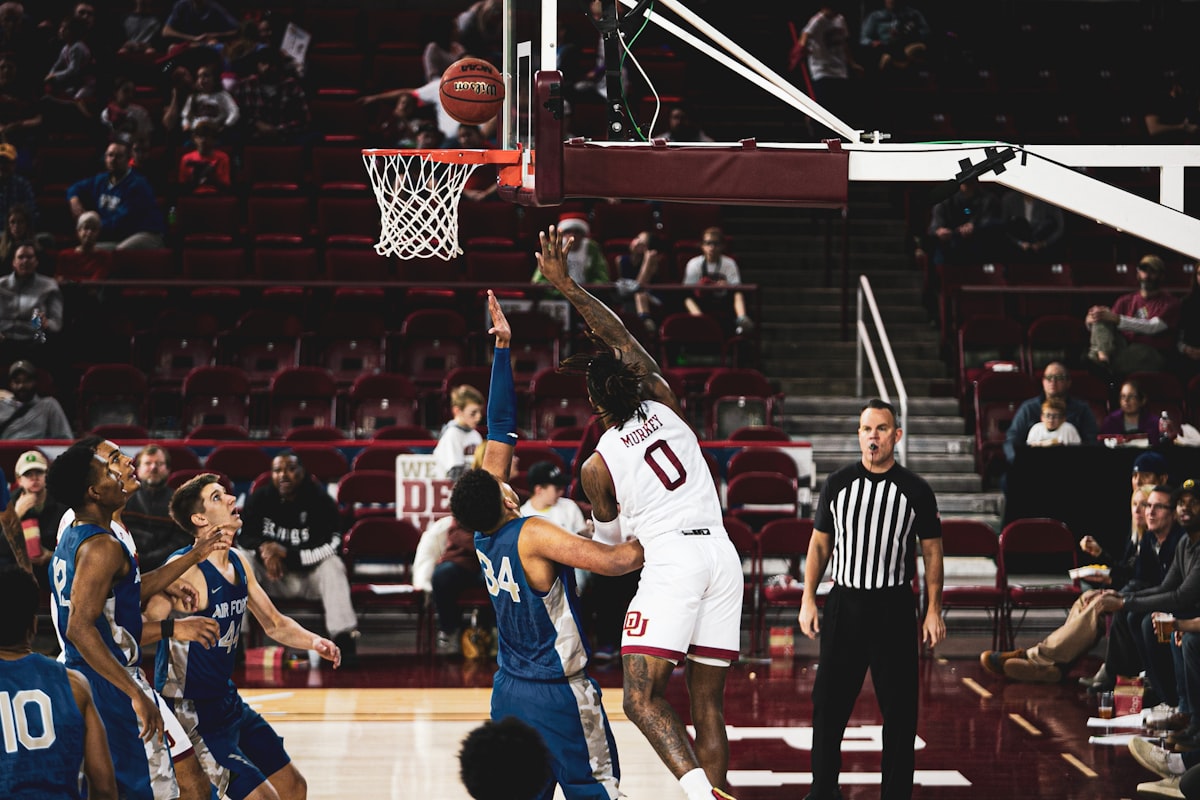
Overtime in basketball is an additional period played when the score is tied at the end of regulation time. In most major competitions, including FIBA games and the NBA, one overtime period lasts five minutes. The team with more points when overtime ends wins the game.
How long is overtime in basketball?
A standard basketball overtime period lasts five minutes. The clock is stopped whenever the ball is dead, so the period usually takes longer than five minutes in real time because of fouls, timeouts, substitutions and reviews.
If the teams are still tied after the first five-minute overtime, another five-minute period is played. Overtimes continue until one team leads when a period ends. Basketball does not normally use a sudden-death finish in professional or international competitions.
What happens when a basketball game goes to overtime?
Once regulation ends with an equal score, the officials prepare for overtime and teams usually change baskets. The team that starts with possession is decided according to the competition’s rules, commonly through a jump ball or alternating-possession procedure.
The score from regulation carries over. Overtime is not a separate game, so points, team fouls and player fouls remain relevant. The team ahead after the five-minute period wins, while a tie leads to another overtime period.
- Regulation ends tied: an extra period is required.
- Overtime length: five minutes in standard FIBA and NBA rules.
- Score: points are added to the regulation total.
- Another tie: another five-minute overtime is played.
- Winner: the first team ahead at the end of an overtime period.
FIBA overtime rules compared with NBA overtime
For international basketball played under FIBA rules, including many national-team and African competitions, overtime lasts five minutes. NBA overtime also lasts five minutes. The basic principle is the same: tied games continue through additional periods until there is a winner.
Other details can differ between competitions. Timeout allowances, possession procedures, foul penalties and video-review rules are governed by the specific league or tournament regulations. Basketball played at school, youth or recreational level may also use shorter overtime periods to fit the schedule.
Does overtime have different foul and timeout rules?
Overtime is governed by the competition’s normal foul and timeout framework, with some details resetting or being carried over according to the rulebook. In FIBA basketball, team-foul situations and player fouls are handled under the applicable game rules rather than treating overtime as a completely new game.
Players who have already fouled out cannot return for overtime. Coaches may use timeouts that are available under the competition’s rules, and late-game timeouts can be especially significant because they allow teams to organise an inbound play or set up a final defensive possession.
How is overtime different in college basketball?
College basketball rules can vary by jurisdiction and competition. In NCAA basketball, an overtime period is generally five minutes, but the possession procedure, timeout rules and other details are based on the relevant NCAA rulebook. Some school and youth competitions use a shorter overtime period or a tournament-specific format.
That is why the official rules for the particular league should be checked before applying the standard five-minute answer to every basketball game.
Example of a basketball overtime finish
Suppose a game is tied 82–82 after regulation. The teams play five minutes of overtime, and the score becomes 90–90. Because the game is still tied, a second five-minute overtime begins. If one team leads 98–95 when that period ends, it wins the game with a final score of 98–95.
So, the answer to “what is overtime in basketball?” is simple: it is extra playing time used to settle a tied game, normally in five-minute periods until one team finishes ahead.